

There’s something about a tight backyard budget that forces you to get creative. No blank check for imported stone, no custom masonry crew on speed dial — just a patch of outdoor space and a big wish list.
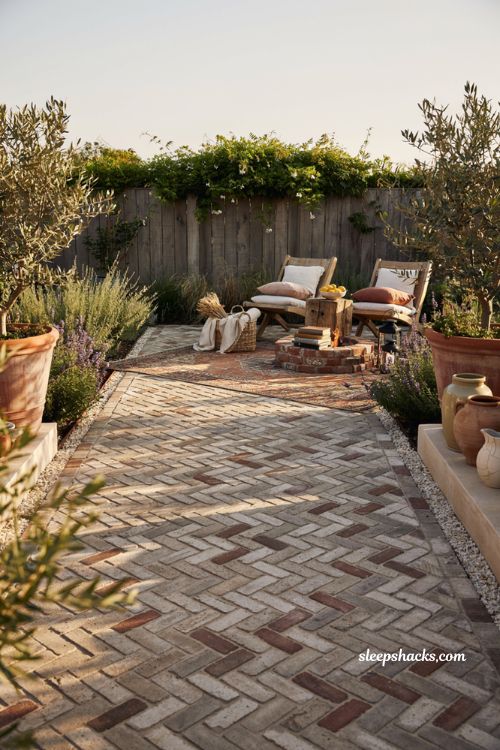
The good news is that pavers are one of the few materials that let you fake a much bigger budget than you actually have. With the right layout, pattern, and a little patience, a modest pile of concrete or reclaimed brick can turn a plain backyard into the kind of space you actually want to sit in. Here are 15 paver patio ideas that prove budget-friendly doesn’t have to mean boring.
1. Extend Your Existing Patio Instead of Starting Over
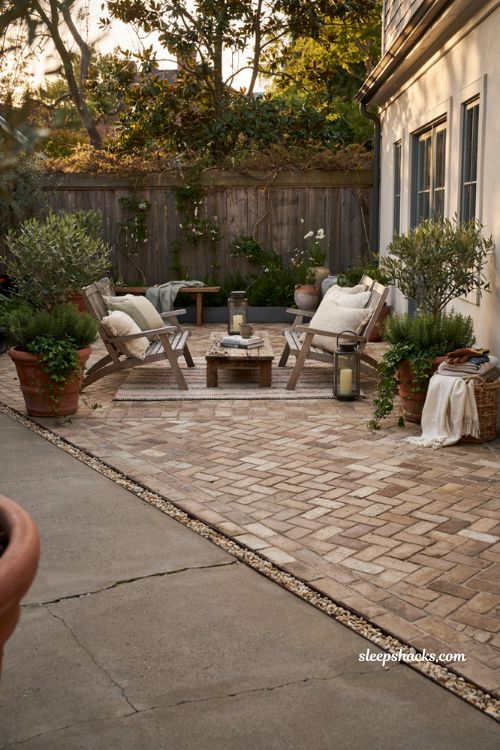
If your current patio feels cramped, you don’t need to tear it out and rebuild from scratch. Laying new pavers directly alongside your existing slab in a herringbone pattern stretches your usable space without the cost of a full replacement. Dry-laying them on a sand base lets rainwater percolate through naturally, which also saves you from drainage headaches later. Pick a paver size and tone that echoes your home’s existing architecture so the extension reads as intentional rather than patched-on. It’s one of the cheapest ways to add real square footage to your outdoor living area.
2. Build a Fire Pit From Leftover Pavers
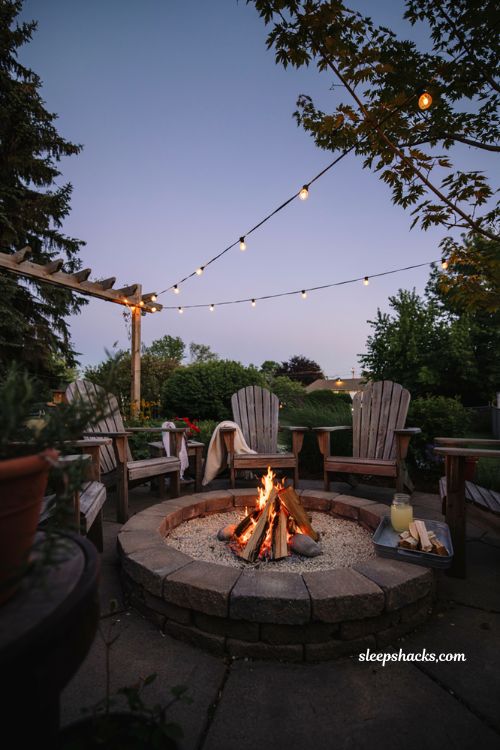
A stone fire pit from a landscaper can run you thousands, but a DIY version built from basic concrete pavers costs a fraction of that. Arrange them in a simple circle, edge the area with retaining wall blocks for a clean border, and fill the center with pea gravel or crushed stone for drainage. Add a ring of Adirondack chairs and a strand of string lights overhead, and suddenly you’ve got the kind of cozy gathering spot people linger in all evening. The rounded shape is forgiving, too — even a slightly imperfect circle still looks intentional once it’s filled with flame and firelight.
3. Use Pavers to Edge Your Garden Beds
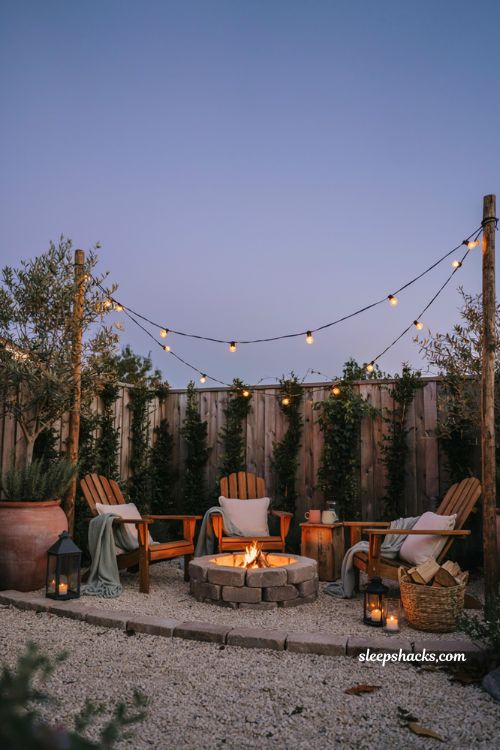
Garden edging is one of the most underrated ways to make a yard look finished, and pavers do it for pennies compared to custom stonework. Line them along flower beds or a walking path to create crisp, defined borders that keep mulch from spilling onto the lawn. They come in dozens of shapes and colors, so you can match whatever aesthetic you’re already working with, whether that’s rustic and weathered or clean and modern. Installation is simple enough for a weekend project, and the payoff is a yard that suddenly looks like it has a plan instead of just plants.
4. Lay a Stepping Stone Path With Gravel
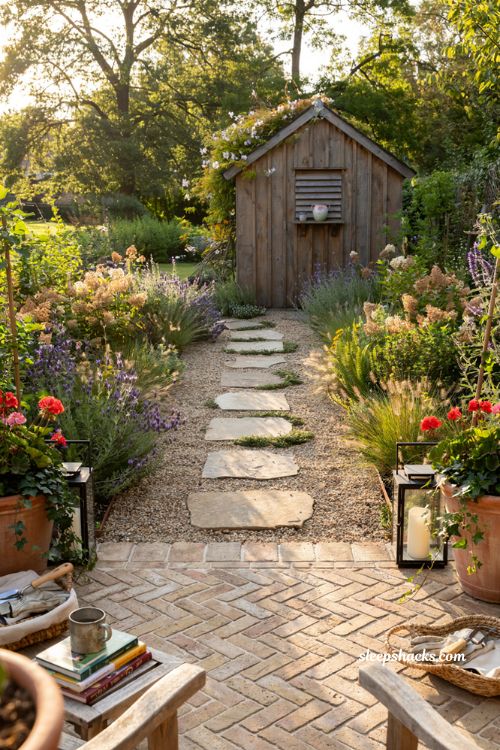
A dedicated pathway does two things at once: it guides foot traffic and it makes the whole yard feel more navigable. Natural-looking stepping stones spaced with gravel between them create a rustic, earthy feel that costs far less than a solid paved walkway. Leave generous gaps between each stone and let low groundcover or gravel fill the space — it softens the look and keeps water from pooling. This style works especially well for side yards or the stretch between a patio and a garden shed, where a full paver surface would feel like overkill.
5. Dress Up Your Front Doorstep
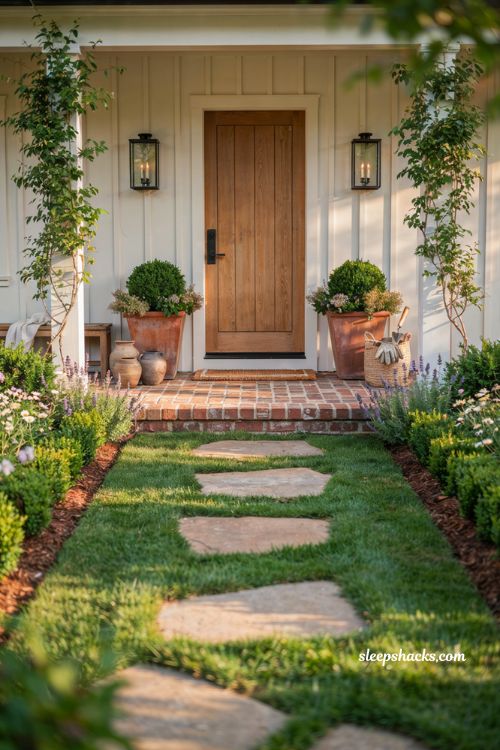
A handful of well-placed pavers at your entryway can transform the first impression of your whole house for almost nothing. Slim tiles arranged in a simple brick pattern define the threshold and create a clean transition from lawn to front door. Continue the same material out onto the lawn as larger stepping stones, so the entry path feels connected rather than like an afterthought. It’s a small-scale project you can usually finish in a single afternoon, and it adds structure without the cost of a full walkway redo.
6. Go Large-Format for a Modern, Low-Labor Look
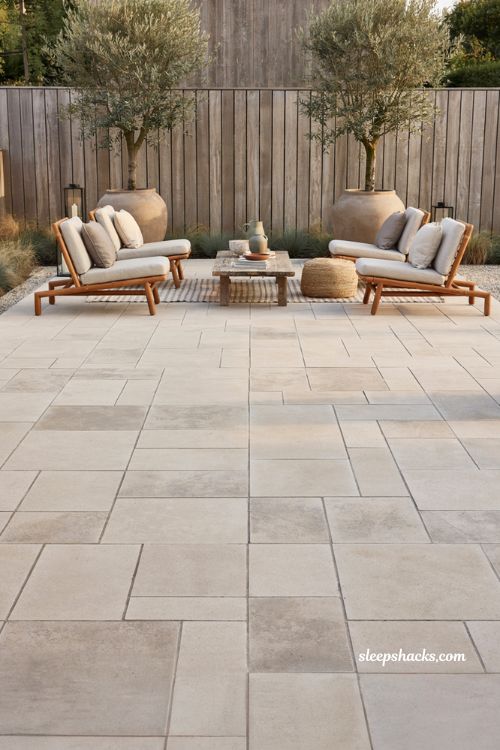
Oversized pavers, think 24×24 or even 48×48 inches, actually save you money in the long run because fewer pieces mean less cutting, less labor, and fewer joints to fill. The bigger scale also creates a cleaner, more spacious look that mimics high-end resort patios. Stick to neutral tones like ivory, ash gray, or soft beige, and avoid busy patterns so the size of each slab gets to do the visual work. Porcelain or concrete both hold up well in this format, and the reduced joint lines mean less maintenance down the road too.
7. Add a Contrasting Border for Instant Polish
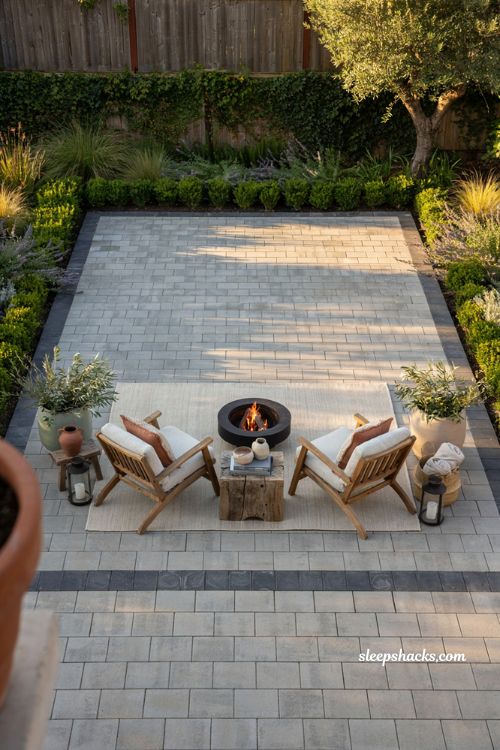
One of the cheapest upgrades you can make to a plain paver patio is a contrasting border around the edge. A soldier course of dark charcoal pavers framing a lighter patio surface instantly reads as custom-built, even though it’s really just a change in layout. Try this technique around a fire pit or seating area to visually anchor the space. The cost difference between a bordered and unbordered patio is small, but the perceived difference in craftsmanship is significant enough to fool most guests into thinking you hired a designer.
8. Create a Checkerboard Pattern With Two-Tone Pavers
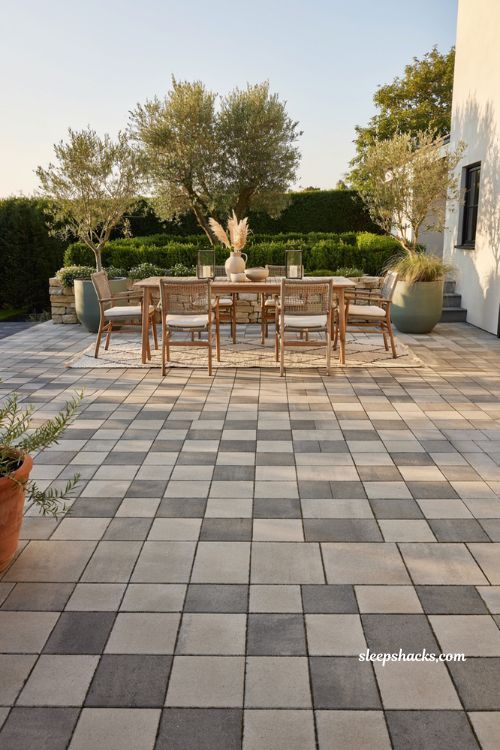
Alternating light and dark gray pavers in a checkerboard layout gives a patio a sleek, contemporary edge without requiring premium materials. This pattern works particularly well around pools or on a dining patio, where the graphic repetition catches the eye from a distance. Because you’re using standard concrete pavers rather than natural stone like slate or travertine, the material cost stays low while the visual impact stays high. Keep the joints narrow and consistent for the cleanest version of this look, since uneven spacing is what makes a checkerboard pattern start to look sloppy.
9. Mix Turf and Pavers for a Contemporary Contrast
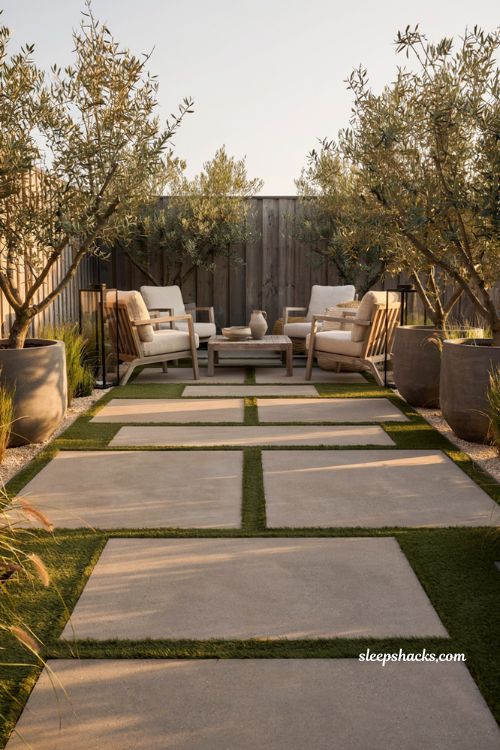
Pairing green artificial turf with clean-edged concrete pavers creates a sharp, modern look that’s become a favorite among budget-conscious homeowners. The contrast between soft green and hard gray gives a small patio visual depth without adding a single extra material cost. Try floating square pavers within a turf field for a walkway, or use turf as the “grout” between larger paving stones for a softened, natural transition. This combination also cuts down on watering and mowing, so you’re saving on maintenance right alongside the installation cost.
10. Frame a Backyard Game Zone
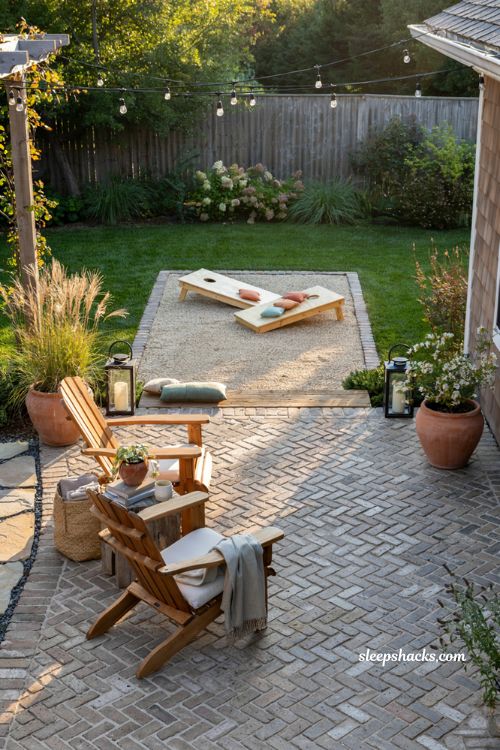
If you’ve got even a modest strip of lawn, pavers can carve out a dedicated space for bocce, cornhole, or a horseshoe pit without much investment. A simple rectangular border of pavers keeps the playing surface tidy and prevents gravel or turf fill from migrating onto the grass. This kind of zone adds a genuinely useful feature to your yard, not just a decorative one, which makes it feel like a bigger upgrade than the price tag suggests. It’s also an easy weekend project since the shape is usually just a straightforward rectangle or oval.
11. Resurface a Tired Concrete Porch
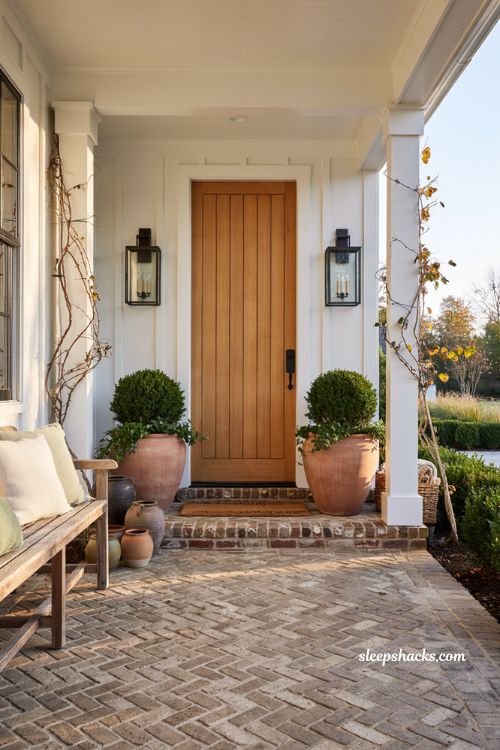
An old, cracked concrete porch doesn’t need to be demolished to get a fresh look. In many cases, pavers made from concrete, stone, or brick can be installed directly over the existing slab as long as the surface is stable. A bonding agent or thin mortar bed helps them adhere, and polymeric sand locks the joints in place once they’re set. A herringbone or basketweave pattern is especially useful here because it helps disguise any minor imperfections left over in the original concrete underneath.
12. Design a Budget Pool Deck With Porcelain Pavers
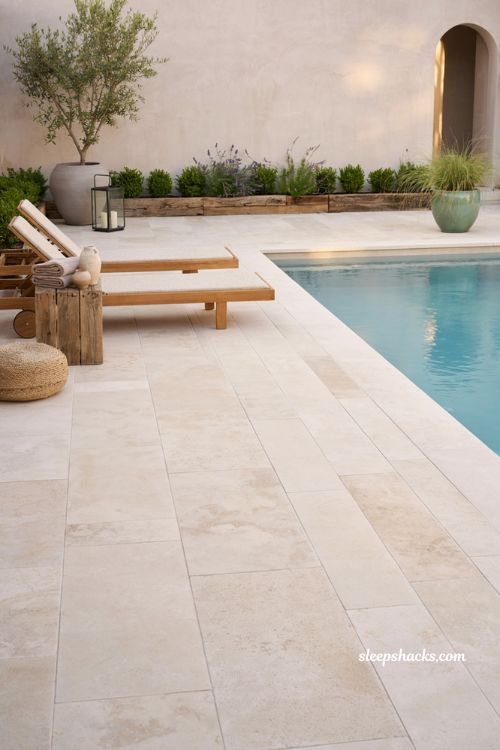
Natural travertine looks stunning around a pool, but it comes with a premium price tag and higher upkeep. Porcelain pavers mimic that same stone look while resisting fading, absorbing very little water, and requiring virtually no sealing. Stick with light ivory or warm neutral tones and use wide plank layouts to create a seamless, uninterrupted surface around the water. The visual payoff feels just as luxurious as natural stone, but the price and long-term maintenance stay firmly on the budget-friendly side.
13. Divide Your Backyard Into Distinct “Rooms”
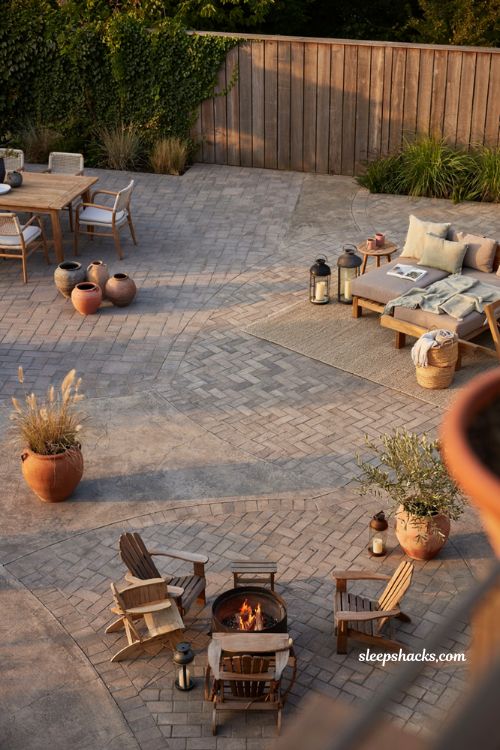
A single flat patio can start to feel one-dimensional, but you don’t need multiple expensive materials to fix that. Instead, change the direction or pattern of the same paver within different zones, like dining, lounging, and fire pit areas, to visually separate them. A shift from a linear layout to a herringbone one, or a change in joint spacing, is often enough to signal “this is a different space” to the eye. It’s a design trick that costs almost nothing beyond a little extra planning before installation day.
14. Add a Low Privacy Wall With Brick Pavers
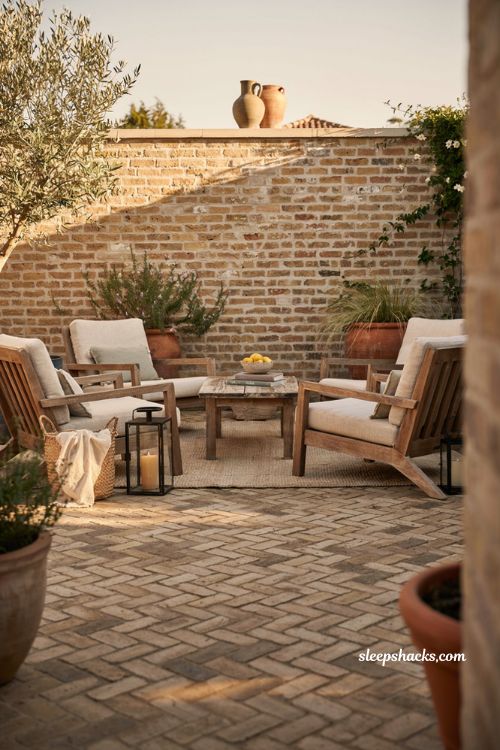
A short brick paver wall offers privacy and structure without fully closing off your yard the way a fence would. Cap it with a contrasting capstone for a clean, finished edge, and consider limewashing or painting the brick for a more current look. Planting greenery along the base softens the structure and adds another layer of contrast between hard and soft textures. Because it’s built from the same modest pavers you might already be using elsewhere in the yard, it ties the whole design together without adding a new material to your budget.
15. Let Lighting and Joint Work Do the Heavy Lifting
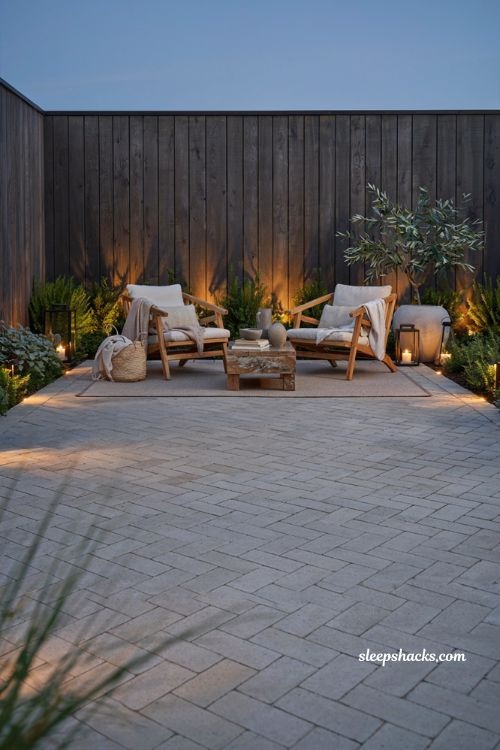
Sometimes the cheapest way to make a paver patio look expensive isn’t more material, it’s better finishing. Narrow, consistent joints filled with polymeric sand create a noticeably cleaner look than wide, uneven gaps. Add warm LED path lights, a little uplighting near plants, or soft wall-washing near the seating area, and the whole space transforms after dark. These finishing touches cost far less than upgrading your paver material, yet they’re often what actually makes a patio look like it belongs in a magazine.
Final Thoughts
If there’s one thing worth taking away from all of this, it’s that a beautiful patio has less to do with what you spend and more to do with how thoughtfully you lay it out. Consistent color palettes, clean edging, and a pattern that suits your space will always outperform expensive material used carelessly. Start with one section, whether it’s a small fire pit or a stretch of garden edging, and build from there as your budget allows. Your backyard doesn’t need a complete overhaul to feel like a whole new space.
Frequently Asked Questions
Q: What’s the cheapest way to build a paver patio on a budget?
Start with basic concrete pavers laid on a sand base rather than mortar, and stick to a simple pattern like running bond to minimize cutting and labor time.
Q: Do budget pavers look cheap?
Not if the layout is clean and the joints are consistent — large-format pavers, neutral tones, and proper edging can make basic concrete look just as polished as premium stone.
Q: How much space do I need for a paver patio?
Even a small area, like a 6×8-foot nook for two chairs or a compact fire pit, can work beautifully; the key is matching the paver scale to the size of the space.