

There’s nothing quite like stepping into your backyard and feeling like the whole world is watching. The neighbors’ upstairs window. The foot traffic along the back fence.
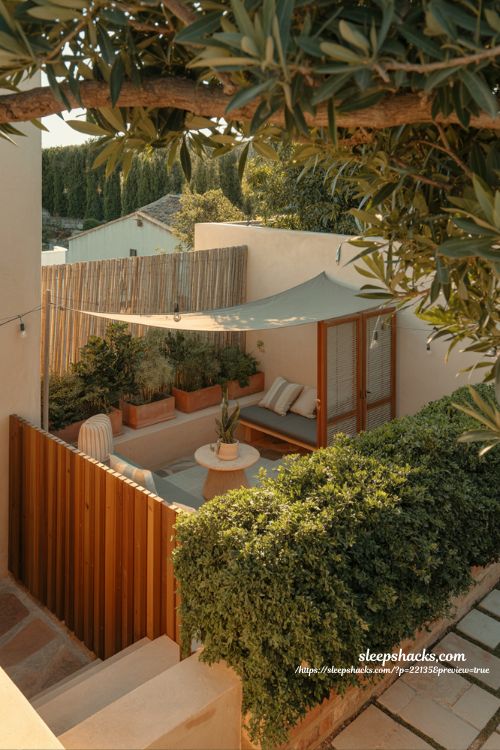
That second-story house that seems to peer directly into every corner of your yard. If you’ve ever felt too exposed to actually relax outside, you’re not alone — and the good news is, there are more backyard privacy ideas than ever before, at every budget, for every yard size. Whether you want a full green wall of lush hedging, a simple shade sail, or a weekend DIY project, this guide covers it all.
- Privacy design works best when you target the specific sight lines bothering you most, not the entire perimeter
- You don’t need a permanent structure — flexible options like retractable screens, potted plants, and shade sails work just as well for renters and small spaces
- Layering different privacy solutions together creates the most natural and effective result
Why Backyard Privacy Is Worth the Investment
Privacy isn’t just about blocking views. When a backyard feels exposed, most people simply stop using it — and that’s a real shame. A well-designed privacy solution creates a sense of security, defines the space for entertaining, helps muffle street noise, and adds genuine value to the property. Before choosing a solution, it helps to walk your yard and note exactly where you feel most visible. Is it the patio when you’re having morning coffee? The pool area? A side boundary where a neighbor’s window faces your garden directly? Once you know the problem spots, you can target them precisely instead of spending money on coverage you don’t need.
| Privacy Type | Best For | Budget Range | Permanence |
|---|---|---|---|
| Timber fencing | Full boundary coverage | Mid to high | Permanent |
| Shade sails | Overhead + upper storey views | Low to mid | Flexible |
| Hedging plants | Natural, long-term screens | Low (grows over time) | Permanent |
| Lattice panels | Semi-private zones, DIY | Low | Semi-permanent |
| Pergola with screens | Defined outdoor room | Mid to high | Permanent |
| Bamboo panels | Quick install, renters | Low | Flexible |
| Retractable blinds | Patio and veranda coverage | Mid | Flexible |
24 Backyard Privacy Ideas to Try Right Now
1. Install Timber Lattice Privacy Panels
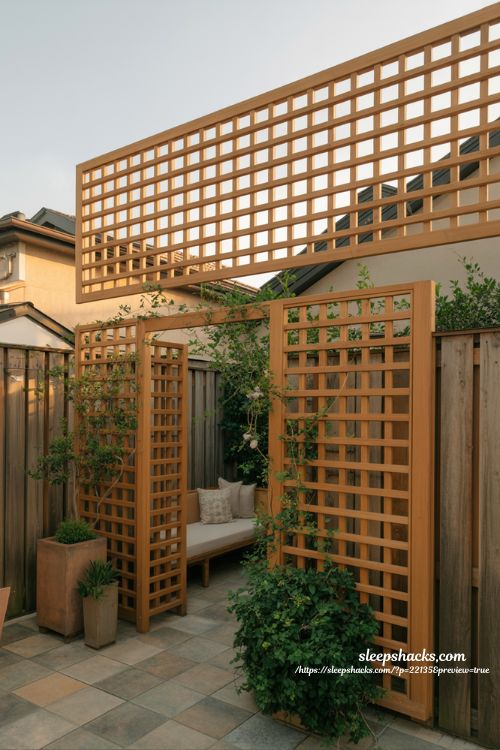
Timber lattice panels add architectural interest while creating meaningful privacy — especially when paired with an existing fence. Mount them on top of your fence line for extra height, or use them as freestanding dividers to section off a seating area. They’re a favorite for good reason: they look intentional rather than reactive, and over time, climbing plants will fill every gap naturally.
- Choose hardwood over softwood — it lasts significantly longer and handles moisture better
- Paint or stain panels to match your home for a cohesive look
- Mount at an angle above a fence to direct the screen where privacy is needed most
2. Plant a Strategic Row of Tall Grasses
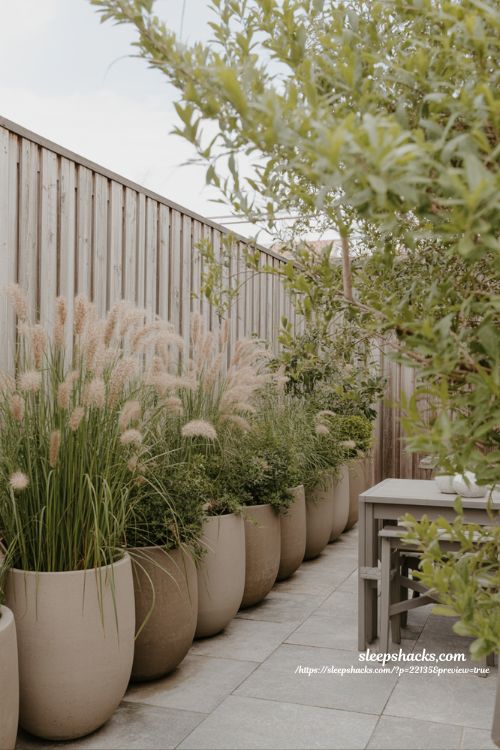
A row of planters filled with tall, fluffy grasses on top of or near the fence creates a neighbor-friendly green screen that feels soft and welcoming rather than defensive. This approach works particularly well in urban settings where fence height ordinances limit your options. It’s also one of the best solutions for renters — the whole setup moves with you when you do.
- Choose ornamental grasses like Pennisetum or Miscanthus for year-round structure
- Use matching pots in a row for a clean, deliberate look
- Place planters where sight lines are most intrusive, not necessarily everywhere
3. Hang Shade Sails at Strategic Angles
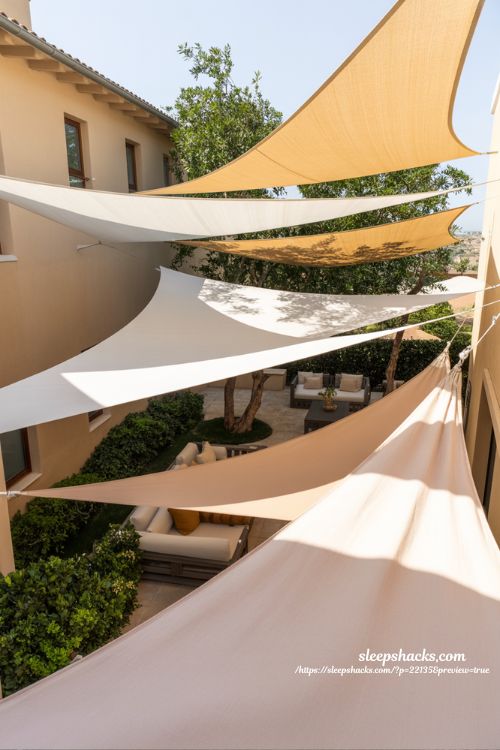
If a neighbor’s second-storey windows are your problem, shade sails are your solution. Hung at the right angle, they block overhead views without making the space feel closed in. Stack two or more for layered coverage, attaching points to existing trees, posts, or the house wall. They’re quick to install, widely available in different shapes and colors, and come down easily for winter.
- Angle sails to address the exact direction you’re being overlooked from
- Use overlapping sails in different tones for a design-forward look
- Choose UV-rated fabric for both privacy and sun protection
4. Build a DIY Wood Slat Privacy Screen
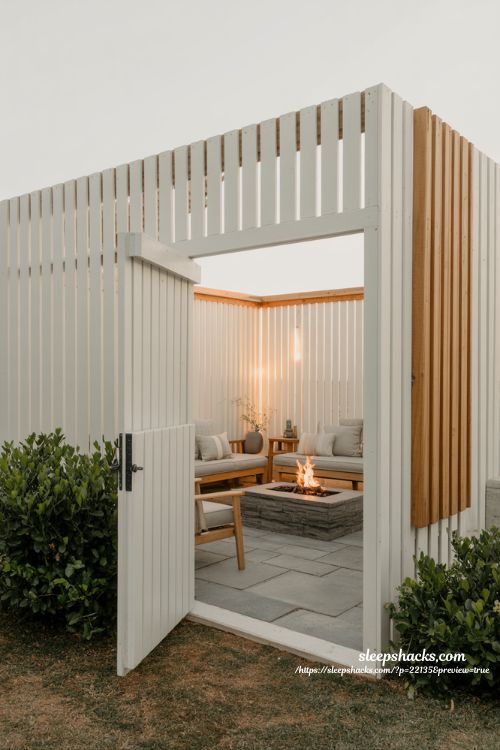
A simple wood slat fence panel — painted white or stained to your preference — can completely transform an exposed area without a major build. These screens work brilliantly around a fire pit, hot tub, or garden dining area. The white finish helps them visually recede into the landscape rather than dominating it. They’re inexpensive, customizable, and a solid weekend project for confident DIYers.
- Use pressure-treated timber for outdoor durability
- Space slats slightly for airflow while still blocking sightlines
- Add a simple gate panel on hinges for easy access
5. Cover Your Fence With Espaliered Trees or Evergreen Climbers
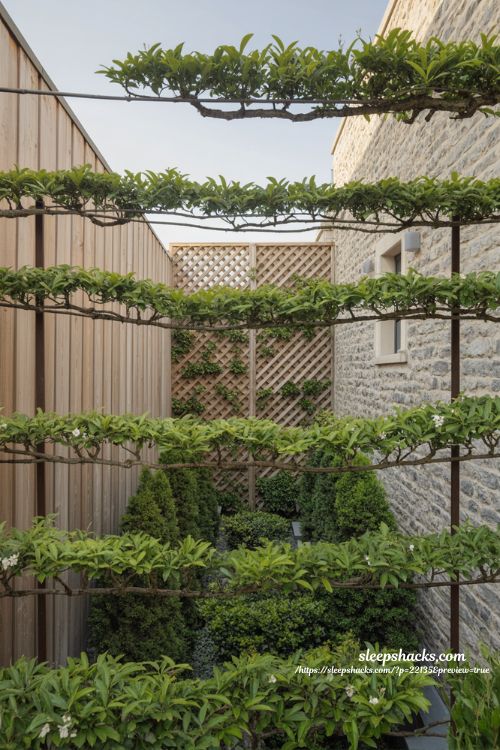
Mounting espaliered trees or training evergreen climbers along an existing fence or wall transforms a plain boundary into a living feature wall. This approach is particularly popular in formal gardens and narrow urban yards where a traditional hedge won’t fit. Taxus (yew), star jasmine, and fig are all excellent choices that stay dense year-round and look intentional rather than overgrown.
- Attach horizontal wires to a fence or wall to train climbing plants along
- Choose evergreen species for consistent coverage through winter
- Combine with lattice for structural support while plants establish
6. Set Up a Pop-Up Canopy With Curtains
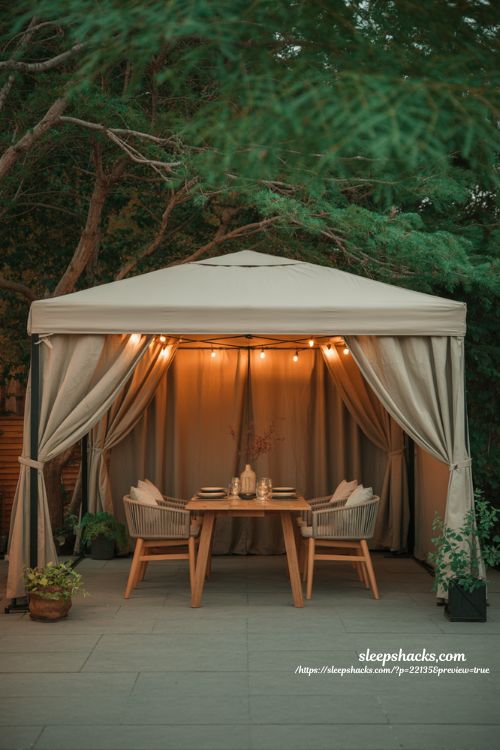
For an instantly private outdoor dining or entertaining space, a pop-up canopy with curtain panels is hard to beat. You can tie curtains back completely for an open feel on good days, or close them fully when you want a cozy, enclosed atmosphere. It’s one of the most flexible solutions on the list — and one of the most affordable. Perfect for renters or anyone not ready to commit to permanent structures.
- Use weighted curtain hems or tiebacks to manage wind movement
- Choose outdoor-rated fabric in a neutral tone to keep the look clean
- Layer with string lights inside for an ambient evening feel
7. Create Defined Outdoor Zones With Pergolas
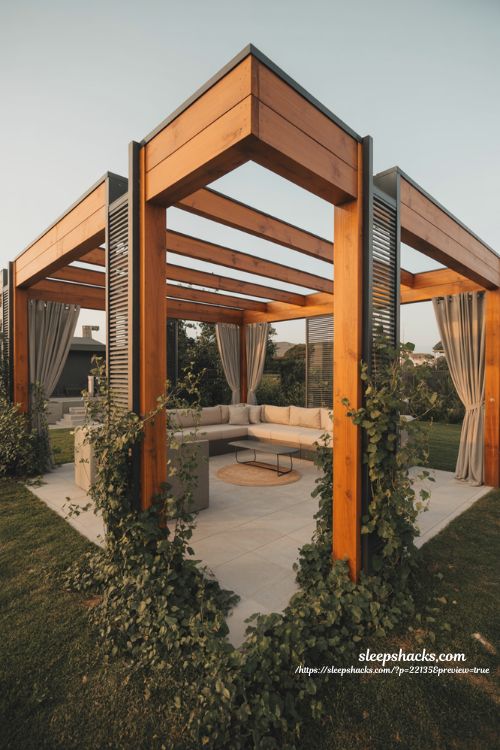
A pergola does more than provide shade — it creates a distinct outdoor room that naturally feels more private simply by having a defined overhead structure. Add screening panels to one or more sides, grow climbing plants over the top, or hang outdoor curtains along the perimeter. A pergola anchors a backyard and signals “this is a destination,” which instantly makes the space feel more intentional and enclosed.
- Place the pergola where privacy is needed most, not necessarily near the house
- Use a slanted pergola roof to also address overhead view angles
- Install outdoor roller blinds on sides for full coverage when needed
8. Build a Raised Dining Terrace With High Walls
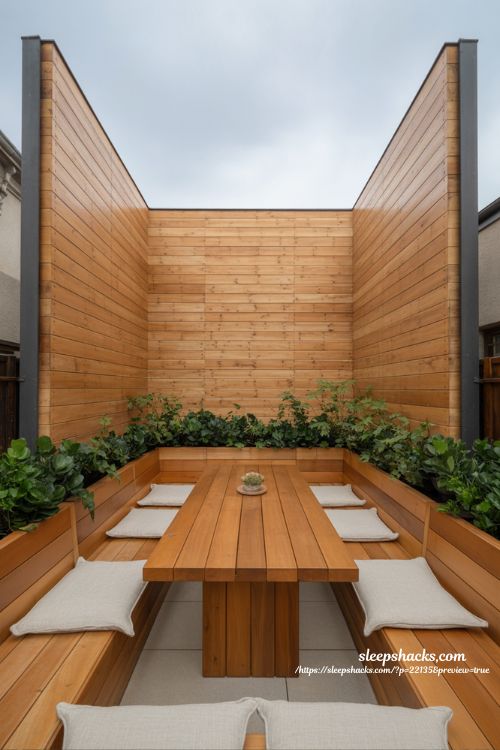
Sometimes the best privacy comes from building up rather than screening across. A raised terrace with solid side walls functions like a permanent wooden screen — it creates an enclosed room at ground level without relying on plants or fencing to do the work. Clients in exposed urban yards have found this approach solves multiple problems at once: it blocks views, absorbs noise, and creates a destination.
- Check local council regulations before building any raised structure
- Use natural timber for a warm, organic feel
- Add bench seating along the walls to make full use of every surface
9. Plant Fast-Growing Columnar Trees
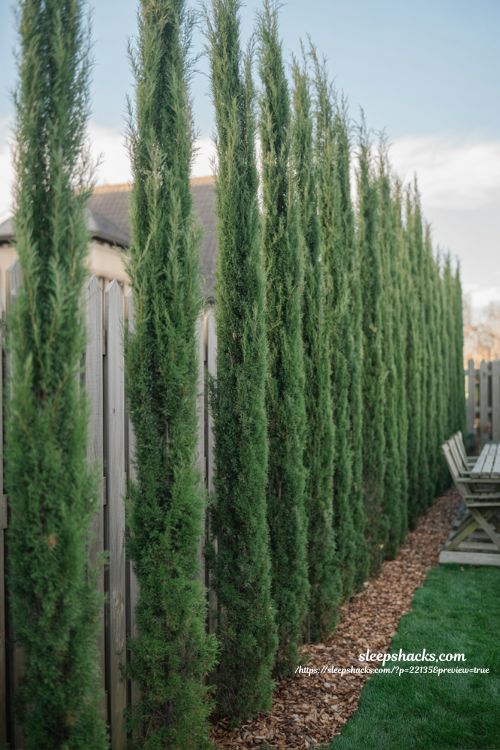
Columnar trees — narrow, tall, and elegant — are one of the most underrated backyard privacy ideas for overlooked spaces. Varieties like Italian cypress, Fastigiate hornbeam, and Green Giant arborvitae grow above fence lines without spreading wide. They can be planted close together to form a soft green wall, and once established, they require very little maintenance. They’re an investment in future privacy that pays off beautifully.
- Space columnar trees 90–120cm apart for a dense, unified screen
- Choose evergreen varieties for coverage in all seasons
- Plant near the spots where sight lines from neighboring upper stories hit your yard
10. Add a Thick, Well-Maintained Hedge
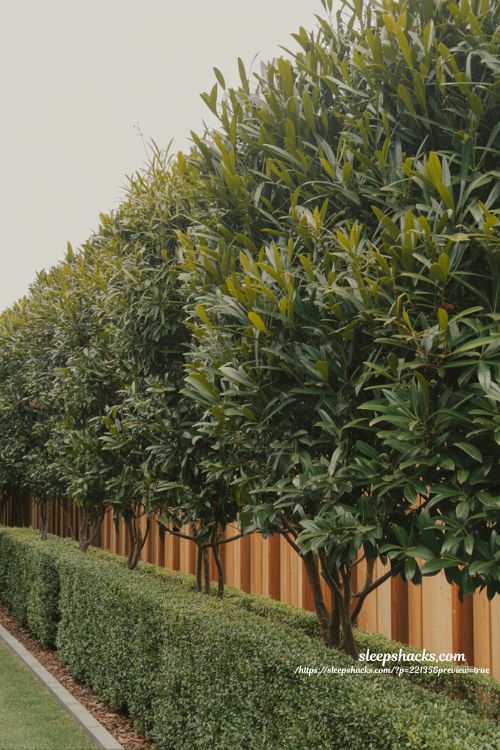
A dense hedge is one of the oldest privacy solutions and still one of the most effective. Plants like Murraya, Lilly Pilly, and Viburnum grow quickly and form solid walls of greenery that block views, muffle sound, and look incredible year-round. They require regular trimming to stay dense and neat, but the payoff — a lush, private garden boundary — is worth every hour of maintenance.
- Choose evergreen species to avoid bare patches in winter
- Start with larger specimens if budget allows to reduce the waiting time
- Combine with a fence behind the hedge for immediate coverage while plants mature
11. Use Large Planters as Movable Privacy Walls
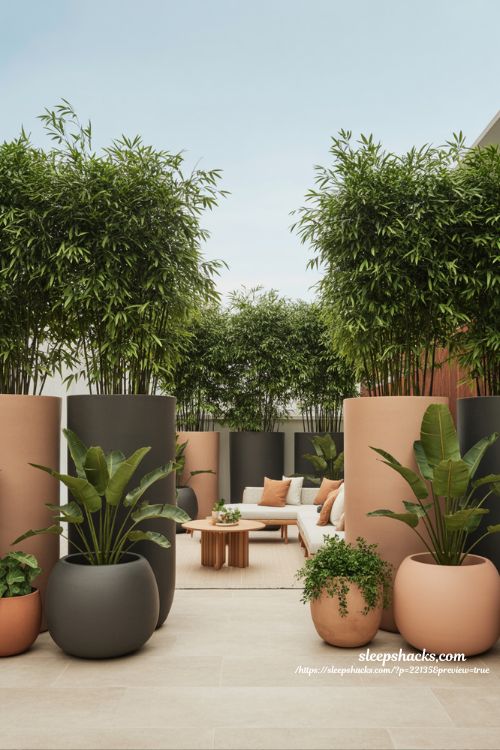
Tall potted plants — bamboo in large containers, Giant Bird of Paradise, or Fiddle Leaf Fig — act as movable privacy walls you can reposition wherever you need them. This is ideal for renters or anyone with a flexible entertaining layout. Arrange them in a row for a green screen effect, or cluster them to frame a seating area without committing to any permanent change.
- Use large, heavy planters for stability in windy areas
- Choose clumping bamboo varieties in pots to prevent spreading
- Add drip irrigation or self-watering reservoirs to reduce maintenance
12. Install Retractable Privacy Screens on the Patio
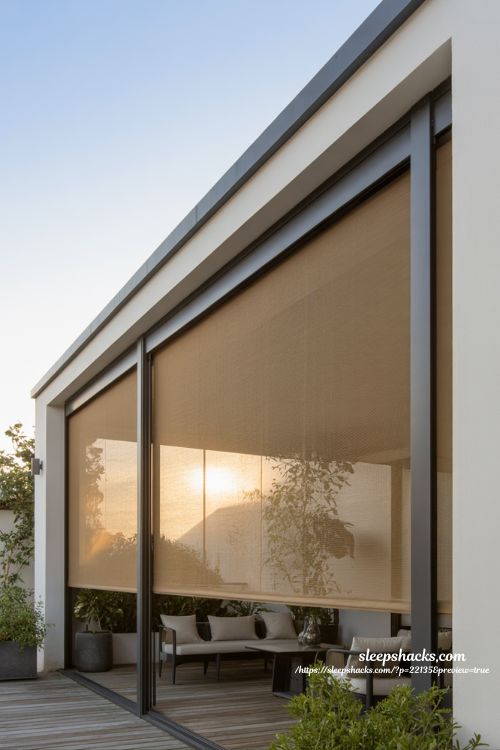
Retractable screens mount to the edge of your patio or veranda roof and roll down when you need privacy or shelter. They’re ideal for managing both privacy and weather — pull them down against low afternoon sun, nosy neighbors, or unexpected wind, and roll them away on perfect days when you want the view. They look polished and feel intentional, not like an afterthought.
- Choose a motorized option for larger screens — manual ones can be awkward at full width
- Match screen color to your home exterior for a seamless look
- Opt for a mesh fabric density that allows airflow while blocking sightlines
13. Try Inexpensive Bamboo Panels
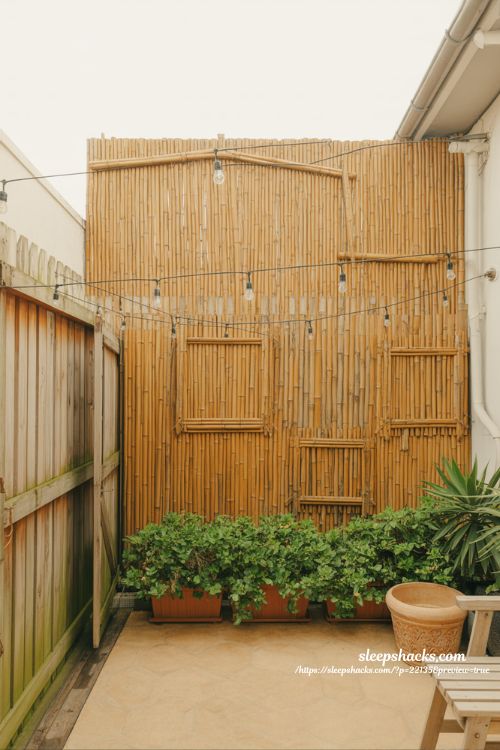
For renters, small spaces, or anyone working with a tight budget, bamboo panels are a revelation. They install in minutes over an existing fence, instantly covering weathered or unattractive surfaces and adding a tropical, relaxed feel to the yard. They’re sustainable, widely available, and far cheaper than almost any other privacy solution. Just remember to seal them against moisture for a longer lifespan.
- Apply a UV-protective sealant annually to prevent weathering and fading
- Use zip ties or garden wire to fix panels to fence rails — no tools needed
- Layer two panels for extra density if the first isn’t quite opaque enough
14. Build a Modern Geometric Laser-Cut Screen
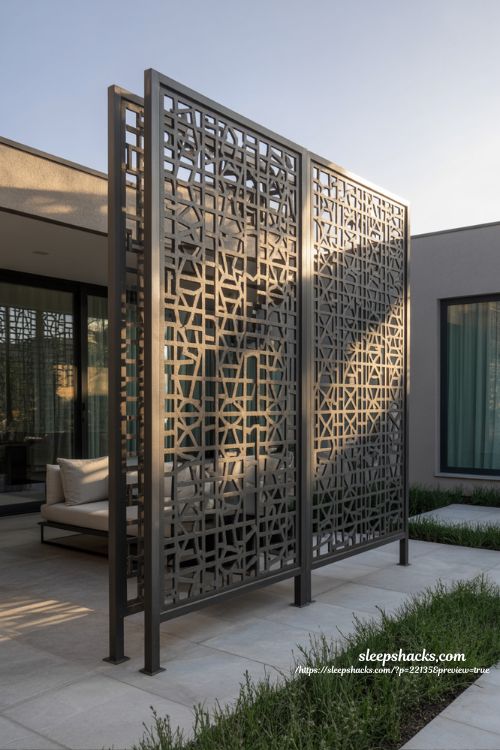
For a backyard that leans contemporary, a laser-cut metal or timber screen is both a privacy solution and a design statement. Geometric patterns let filtered light through while blocking direct sightlines. These screens can be custom-sized to fit your specific space, and the pattern does the aesthetic heavy lifting so the rest of the yard can stay clean and minimal.
- Powder-coat metal screens in matte black for a modern, timeless look
- Use timber versions for a warmer, more organic feel
- Position screens to catch afternoon light for a beautiful shadow effect on the ground
15. Add Outdoor Curtains to a Pergola or Frame
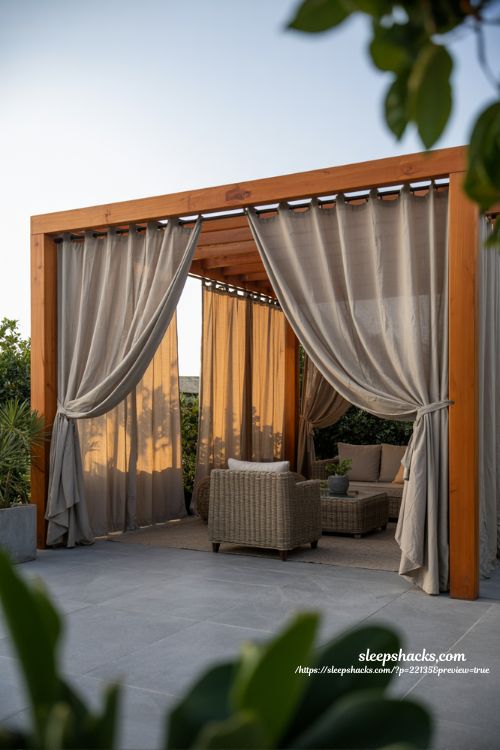
Outdoor curtains hung along the edge of a pergola, veranda, or simple timber frame give you on-demand privacy with enormous visual softness. Unlike hard screens or solid fences, curtains move in the breeze and add a relaxed, resort-like atmosphere to the space. Tie them back completely for an open feel, or close them to create a cocoon-like room that feels entirely removed from the street.
- Choose solution-dyed acrylic fabric — it resists UV, moisture, and mold naturally
- Use curtain weights along the hem to keep panels from billowing
- Go oversized on length — curtains that pool slightly look more luxurious
16. Plant Climbing Vines on an Existing Fence
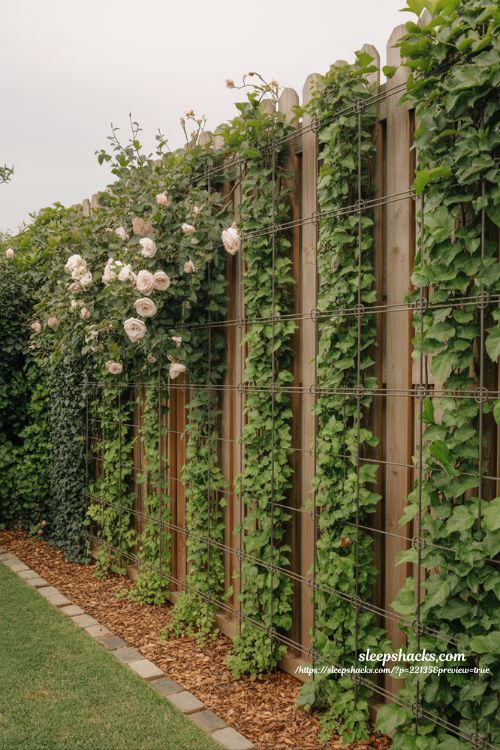
Climbing fig, Boston ivy, and climbing roses can turn a plain or unattractive fence into a lush, green feature that adds privacy and transforms the visual character of the yard. The key is giving them a structure to climb — horizontal wires or a trellis mounted to the fence will help direct growth evenly rather than letting vines go ragged. Once established, they fill in beautifully with almost no intervention.
- Plant at the base of the fence in well-amended soil for strong establishment
- Install horizontal wires every 30cm for even, tidy vine coverage
- Mix flowering climbers with evergreen ones for year-round colour and coverage
17. Build a Stone or Brick Privacy Wall
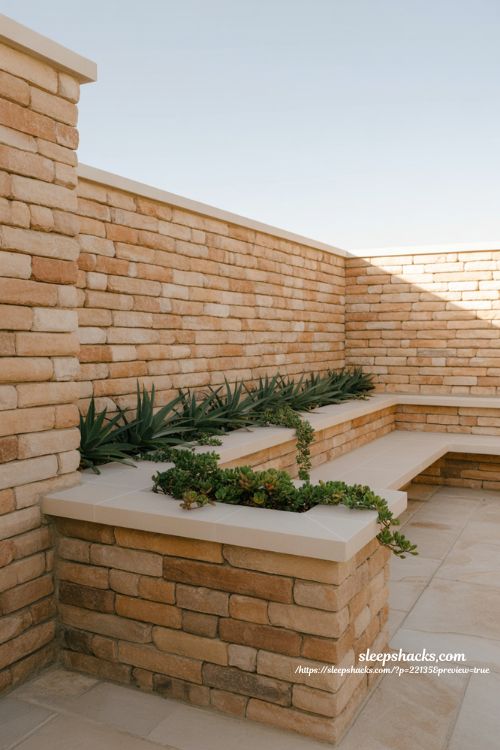
A stone or brick wall brings a sense of permanence and elegance to the yard that no other material quite matches. It feels architectural rather than functional — like a design decision rather than a privacy fix. Stone walls handle noise particularly well and require almost zero maintenance once built. The trade-off is cost: materials and labor make this one of the more expensive options on this list.
- Use a dry-stack stone technique for a rustic, countryside feel
- Keep walls to 1.2–1.5m for structural stability without engineering requirements
- Top with planting pockets for succulents or trailing plants for softness
Comparing Backyard Privacy Solutions at a Glance
Every yard is different, so here’s a quick comparison to help narrow down what will work best for your specific situation.
| Solution | Speed | Budget | Best For | Maintenance |
|---|---|---|---|---|
| Timber lattice panels | Fast | Low | DIY, existing fences | Low |
| Shade sails | Very fast | Low | Upper storey views | Very low |
| Columnar trees | Slow (growing) | Low–Mid | Long-term screening | Low |
| Dense hedge | Medium | Low–Mid | Full boundary | Regular trimming |
| Pergola with screens | Medium | Mid–High | Defined outdoor room | Low |
| Retractable screens | Fast | Mid | Patio and veranda | Very low |
| Stone wall | Slow (build) | High | Permanent, elegant | None |
| Bamboo panels | Very fast | Very low | Renters, quick fix | Annual seal |
FAQ
How Can I Add Privacy Without Building a Permanent Structure?
Retractable screens, shade sails, outdoor curtains, and large potted plants all deliver meaningful privacy without any permanent changes. These options are ideal for renters and anyone who wants flexibility in their outdoor layout. Many people combine two or three of these solutions for layered coverage that can be adjusted seasonally.
What Are the Fastest-Growing Plants for Backyard Privacy?
Lilly Pilly, Murraya, and Green Giant arborvitae are among the fastest-growing screening plants available. In favorable conditions, these can put on 60–90cm of growth per year. Bamboo (in containers) also establishes quickly and creates an immediate impression of height and density.
How Tall Can a Privacy Fence Be?
Height limits vary by local council and zoning regulations, so always check before building. In most residential areas, fences between 1.8m and 2.1m are permitted without approval. If you need to go higher, a combination of a permitted fence topped with trellis or lattice panels is a common workaround that many homeowners use successfully.
What Are the Best Backyard Privacy Ideas for Overlooked Spaces?
When neighbors are looking down from a second storey, overhead coverage is your best friend. Shade sails angled to block the specific sight line, pergolas with lattice sides, or columnar trees planted strategically near the problem zone all work well. Combining an overhead solution with a vertical screen at the boundary gives you the most complete result.
Can I Create Privacy in a Small Backyard Without Making It Feel Smaller?
Yes — the key is to go vertical rather than adding bulk. Tall, narrow columnar trees, vertical garden panels, and lattice trellises with climbers all add height without consuming floor space. Using lighter materials like powder-coated aluminium slats or bamboo also keeps the visual weight low so the space still feels open.
How Much Does Backyard Privacy Typically Cost?
At the low end, bamboo panels, DIY lattice screens, and shade sails can be done for a few hundred dollars. Mid-range solutions like timber fencing, pergolas, and retractable blinds run from several hundred to a few thousand. High-end options like stone walls, custom laser-cut screens, or full landscaping with mature specimen plants can cost significantly more. Most homeowners get the best result by combining one or two mid-range elements with a few low-cost plant-based solutions.
Do Privacy Plants Work in Shaded Backyards?
Many excellent screening plants tolerate or even prefer shade. Lilly Pilly, bamboo, and several Viburnum varieties handle filtered light well. If your yard has deep shade from existing trees, consult a local nursery before selecting plants — they’ll know which species perform best in your specific conditions without wasting money on plants that won’t thrive.