

There’s something about a guest room that sits differently than every other space in the house. It’s not really yours, but it’s not quite theirs either — it’s this in-between spot that only gets used a handful of times a year, which is exactly why it’s so easy to neglect.
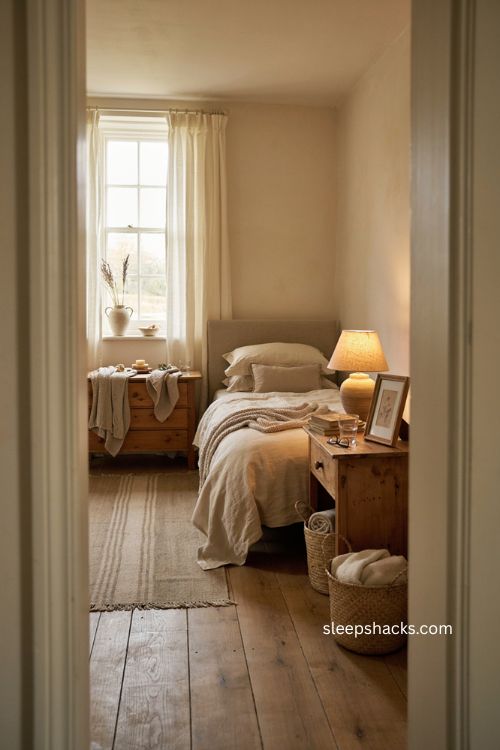
But a little thought goes a long way here. You don’t need a full renovation or a design degree to make the room feel warm and considered. Just a handful of simple, intentional choices — the right bed, the right lighting, a few personal touches — and suddenly it’s a space your guests actually look forward to staying in.
1. Start With a Calming Neutral Palette
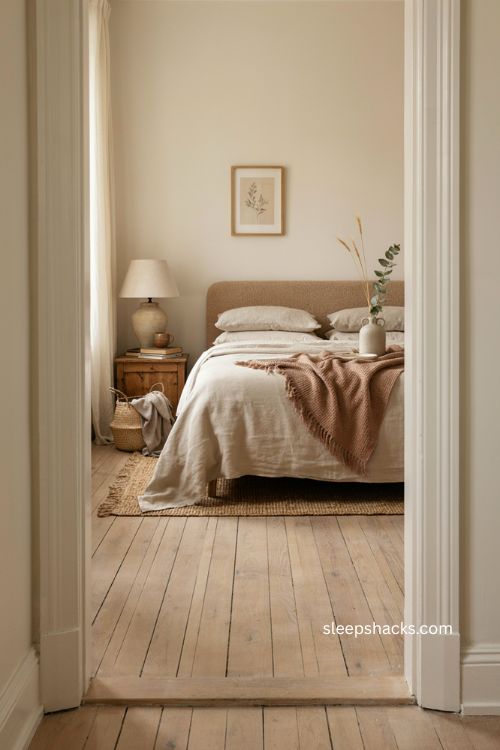
Color sets the tone before anything else in the room does. Soft neutrals, warm greys, and earthy tones create an instantly restful feel, and in smaller guest rooms, a lighter palette also makes the space feel bigger and airier. Try a soft white or warm beige on the walls, then bring in texture through linen bedding or a woven throw so the room doesn’t feel flat. If you want a little personality, let color show up in the headboard or an accent wall instead of the whole room — it keeps things grounded without going overboard.
2. Choose a Bed With Built-In Storage
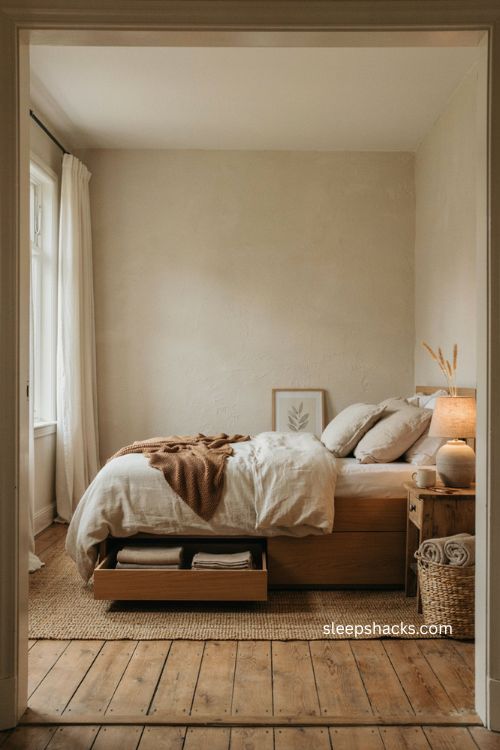
A guest bed can quietly do double duty. Look for a frame with a floating base or drawers underneath, which gives you a place to stash extra linens, pillows, or seasonal items without cluttering a closet. It also keeps the room feeling clean and uncomplicated, especially if space is tight. Pair it with a supportive mattress so guests actually sleep well — comfort is the one thing you don’t want to compromise on, even in a room that only gets used occasionally.
3. Bring In a Sofa Bed for Flexible Spaces
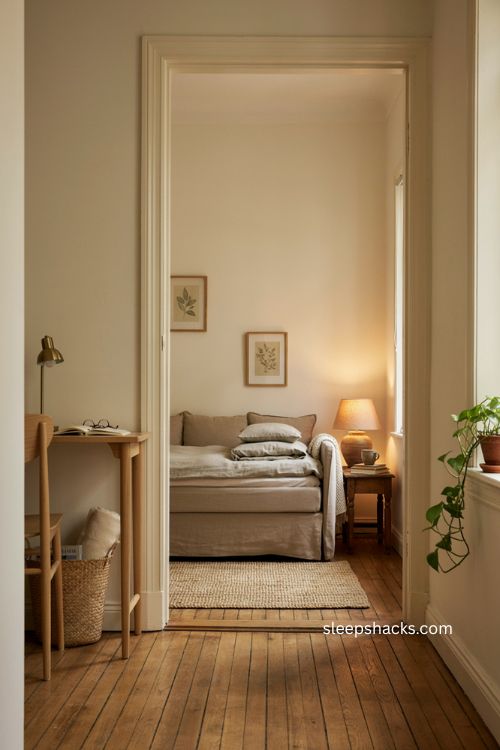
If your guest room doubles as a home office, a playroom, or just doesn’t exist as its own room yet, a sofa bed solves that problem instantly. Look for one that switches from sofa to bed in a single motion, without wrestling with cushions or hidden mechanisms. A supportive mattress insert matters just as much here as it would on a regular bed frame. It’s a small investment that turns any multipurpose room into a legitimate guest space whenever you need it.
4. Layer the Bedding for Real Comfort
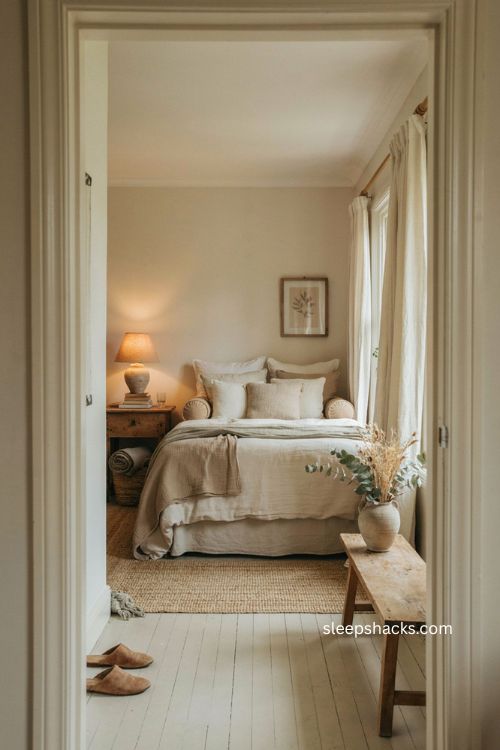
Good bedding is one of those details guests notice immediately, even if they can’t quite explain why. Go for soft linen or cotton sheets, then add a lightweight throw for warmer months and a heavier quilt for winter, so the bed adapts to the season. Keep a couple of extra pillows nearby with different firmness levels — some people sleep on their side, some on their back, and giving them the choice is a small but meaningful gesture. A few textured cushions on top finish the look without much effort.
5. Add a Bedside Table With Drawers
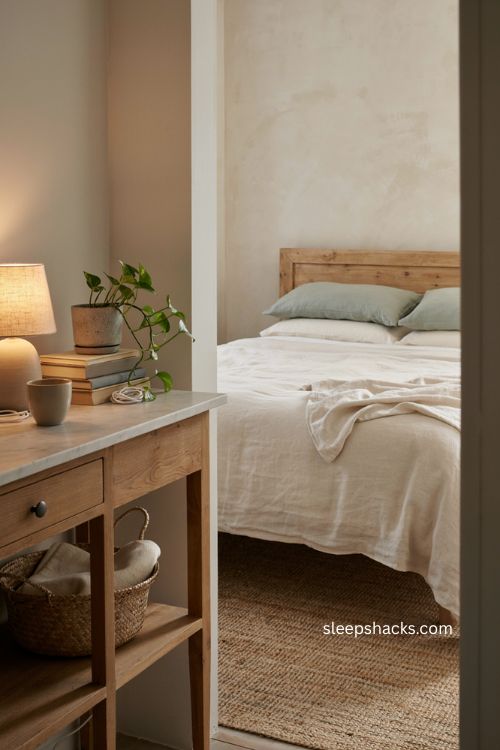
A nightstand isn’t just a surface for a lamp — it’s where guests keep their phone charger, glasses, or whatever they need within arm’s reach at night. Choose one with a drawer or shelf so small items have a home instead of piling up on top. A stone or marble tabletop is a nice touch too, since it’s easy to wipe down if anything spills. Style it simply with a lamp, a small stack of books, and maybe a little greenery for freshness.
6. Tuck In a Cozy Armchair
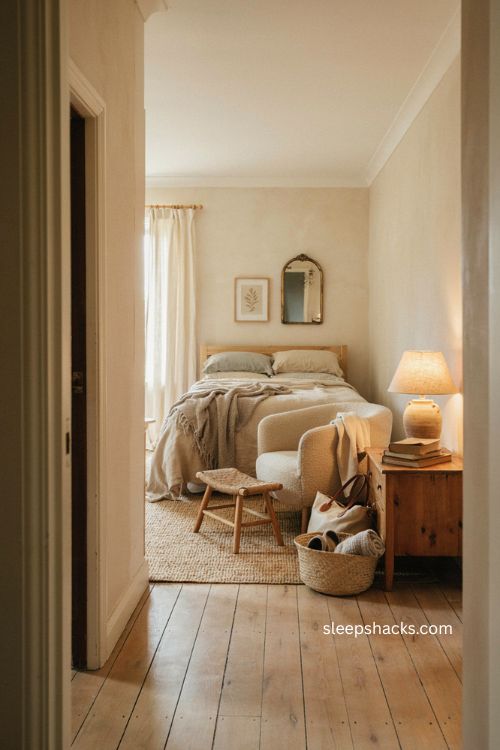
An armchair gives guests somewhere to sit that isn’t the bed, which matters more than people expect. It’s a spot to read before falling asleep, get dressed, or set down a bag they haven’t unpacked yet. Go for something with soft, rounded lines and a fabric that feels good to sink into — nothing too stiff or formal. If the chair swivels or has a low back and footstool option, even better, since it adds flexibility without taking up more floor space.
7. Give the Room a Fold-Away Option
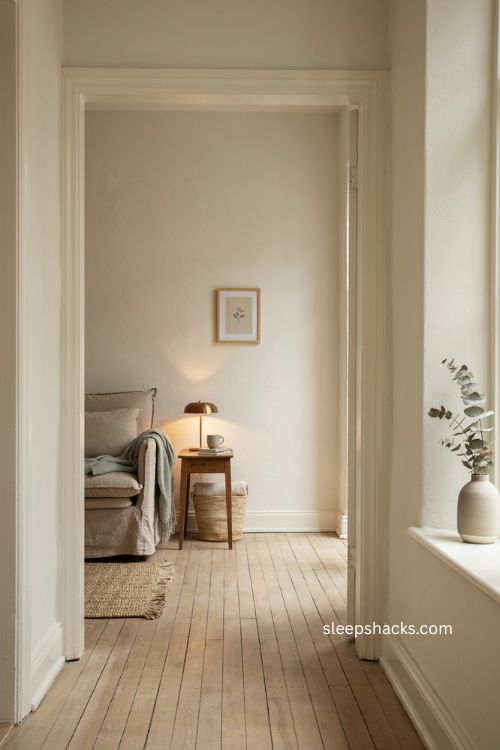
For guest rooms with genuinely limited square footage, flexible furniture is the difference between a cramped space and one that feels open. A compact fold-out chair-and-bed combo can be tucked into a corner and unfolded only when needed, which frees up the room the rest of the time. Some versions arrive compressed and set up in minutes, which is handy for last-minute guests. It’s a practical fix for smaller homes that still want to offer a proper place to sleep.
8. Get the Lighting Right
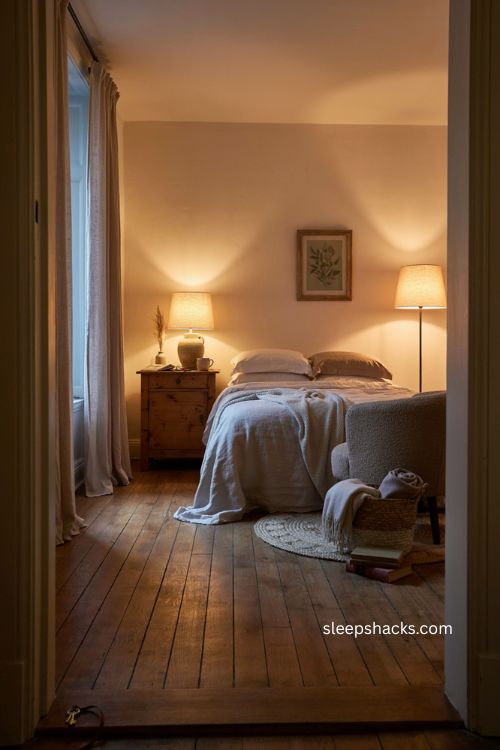
Harsh overhead lighting is the fastest way to make a guest room feel cold and unfamiliar. Swap in warm-toned bulbs and layer the light instead — a bedside lamp with adjustable brightness for reading, and a floor lamp to softly light a corner or highlight artwork. This kind of layered lighting helps guests relax after a long day of travel, rather than walking into a bright, sterile room. It’s one of the simplest upgrades that makes the biggest difference in how the space actually feels.
9. Keep a Small Tray of Scent Nearby
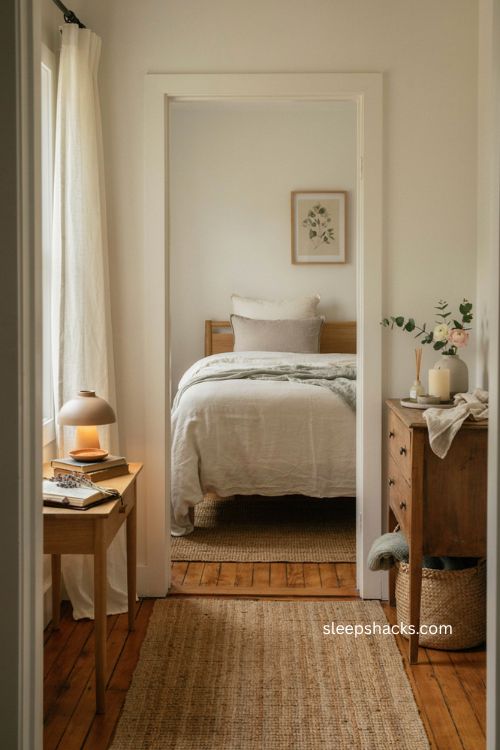
A subtle scent can shift the whole mood of a room the second someone walks in. Choose something soft and botanical, like cedarwood, linen, or fig, rather than anything overpowering. A candle or small diffuser on the dresser works well, and fresh flowers do double duty as both scent and decor. The goal isn’t to make a statement, just to make the room feel cared for and a little more inviting than a typical spare room.
10. Don’t Skip the Little Personal Touches
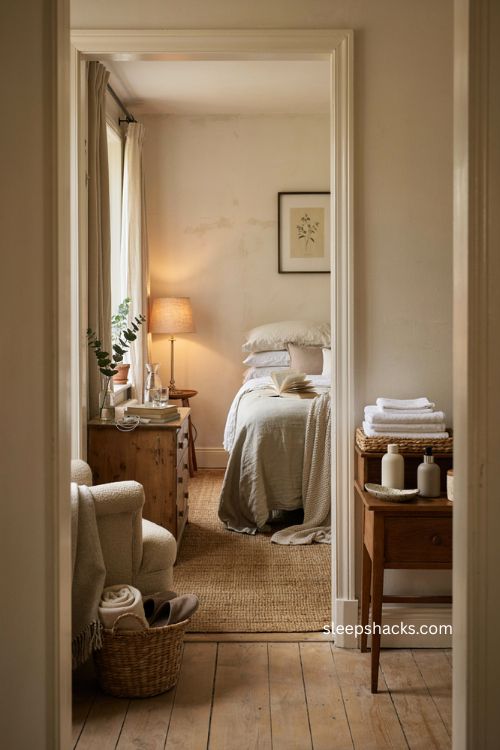
Think about what makes you feel comfortable in an unfamiliar space, and offer that same thing to your guests. A carafe of water on the nightstand, a spare phone charger, or a couple of books on the shelf all go a long way. A small tray with fresh towels or travel-size toiletries shows thoughtfulls without being over the top. These tiny details are usually what people remember most about staying somewhere, even more than the furniture itself.
11. Make Room for Luggage
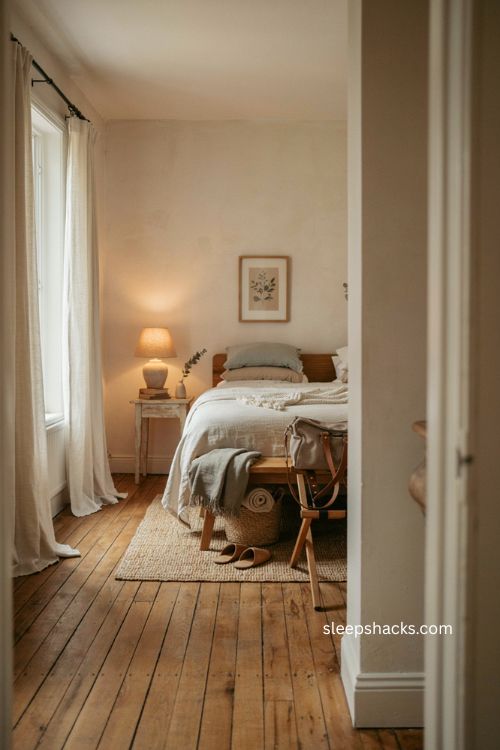
Guests need somewhere to put their bag that isn’t the floor or the bed. A simple luggage rack solves this instantly and keeps the room looking tidy during their stay. If space doesn’t allow for a rack, even a low bench at the foot of the bed works as a spot to set things down. It’s a small addition, but it makes unpacking and repacking noticeably easier for anyone staying with you.
12. Add a Simple Workspace Corner
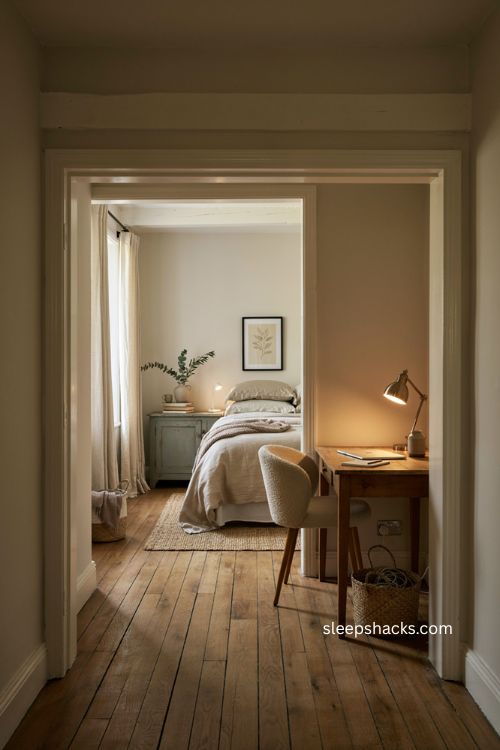
If guests are likely to need to work during their visit, a small desk or table with a comfortable chair and good lighting makes a real difference. It doesn’t need to be elaborate — just enough surface space for a laptop and a nearby outlet. Keep a few basic supplies on hand, like a notepad and pen, so the corner feels functional rather than an afterthought. This turns the room into a space people can actually be productive in, not just sleep in.
13. Match the Room’s Theme to the Rest of Your Home

A guest room that feels completely disconnected from the rest of the house can come across as an afterthought. If your living spaces lean coastal, modern, or traditional, carry that same feeling into the guest room through color and furniture style. It doesn’t need to match exactly, just feel like it belongs in the same home. This consistency makes the whole house feel more considered, room to room, rather than one space standing out as the leftover one.
14. Hang a Few Thoughtful Pieces of Wall Art

Bare walls make a room feel unfinished, even if everything else is done well. A couple of framed prints, a piece of art you genuinely like, or even a few personal photographs can add warmth and give guests something to look at and talk about. You don’t need a gallery wall — one or two well-placed pieces above the bed or dresser are usually enough. Choose something calm and easy to live with, rather than anything too bold or busy.
15. Offer Plenty of Storage Space
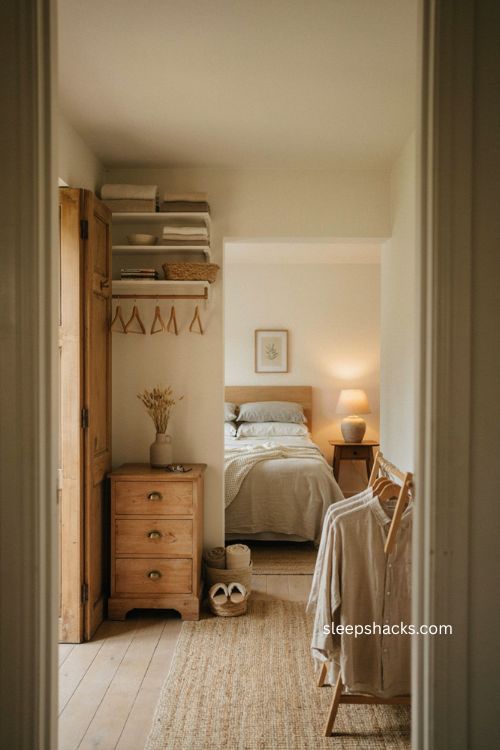
Even a short stay comes with things to unpack, so give guests somewhere real to put them. A closet with a few empty hangers, an open shelf, or a small chest of drawers all work well, depending on how much space you have. If a full closet isn’t possible, even a clothes rack in the corner gives guests a place to hang a jacket or a dress shirt. It’s a practical detail that quietly makes their stay easier.
Final Thoughts
At the end of the day, a great guest room isn’t about how much you spend or how big the space is — it’s about anticipating what someone might need and making sure it’s already there. A comfortable bed, soft lighting, a few personal touches, and somewhere to set down a suitcase cover most of what matters. Start with one or two changes if a full refresh feels like too much right now. Even small updates make guests feel genuinely welcomed, and that’s really the whole point of the room in the first place.
Frequently Asked Questions
Q: What should a guest bedroom have?
At minimum, a comfortable bed, a bedside table, some closet or storage space, and a few power outlets guests can easily reach.
Q: What’s the best color for a guest room?
Soft neutrals like white, beige, or light grey tend to work best since they feel calming and pair easily with any bedding or decor style.
Q: How do you design a small guest room?
Lean on a light color palette, multipurpose furniture like a sofa bed or storage bed, and keep decor minimal so the space feels open rather than cluttered.