

If your fall decorating usually ends with every surface covered in pumpkins and you can’t remember where half of it came from, you’re not alone.
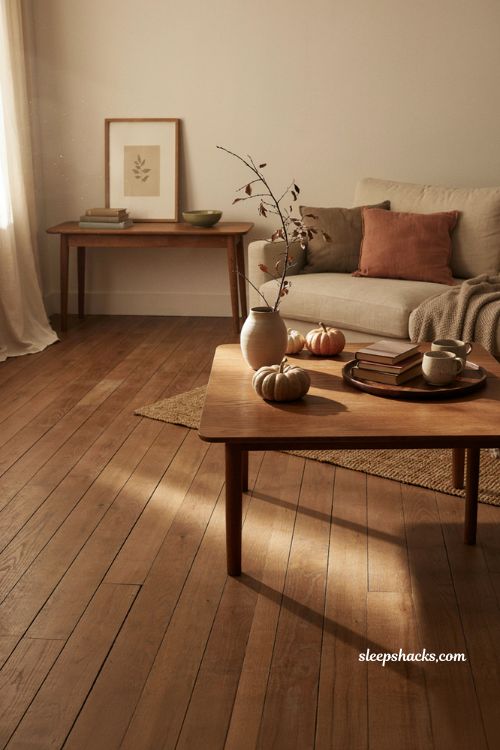
Most people don’t know where to start with a simpler approach — and that’s exactly what this list is for. Minimalist fall decor isn’t about skipping the season, it’s about choosing fewer things that actually mean something, then giving them room to breathe. With the right neutral palette, a bit of texture, and a handful of natural touches, your home can feel just as cozy and autumnal with a tenth of the clutter.
1. Start With a Neutral Base
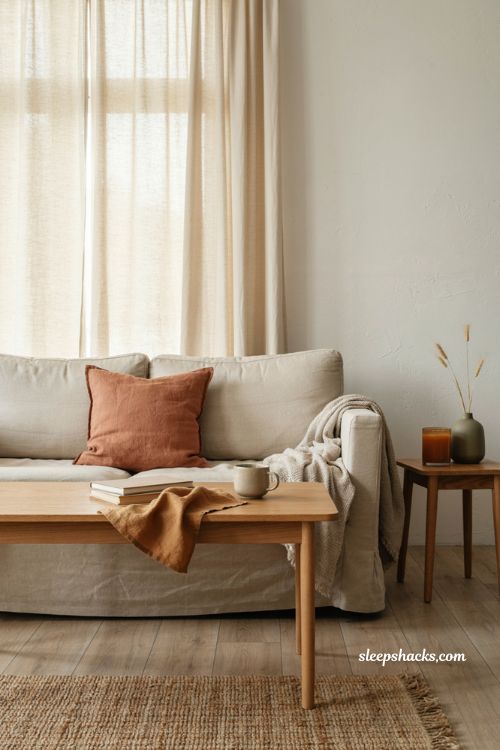
Before adding a single pumpkin, look at your existing palette of whites, beiges, and soft grays and let that be the foundation. Warm fall tones like rust, caramel, olive, and ochre should show up sparingly, as accents rather than the main event — think one throw pillow, one candle, one runner. This approach means your everyday decor barely has to change, you’re simply layering in small touches of warmth. It also makes the transition out of fall painless, since you’re not undoing an entirely different color scheme come November.
2. Choose One or Two Statement Pieces Per Room
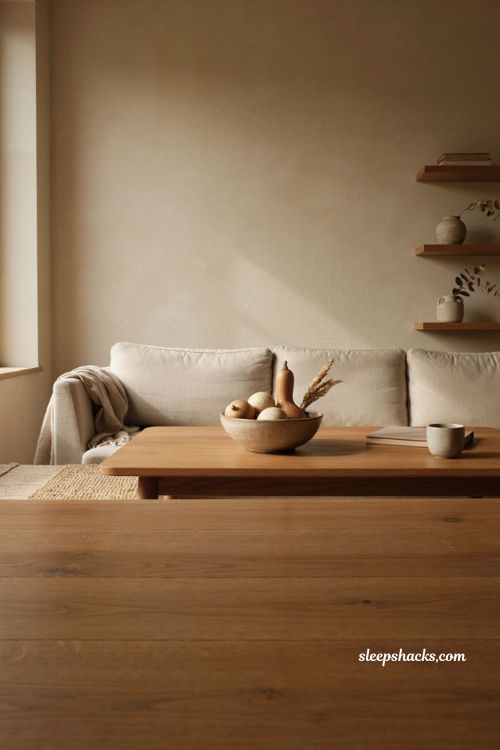
Instead of filling every shelf and surface, pick a single meaningful item per space — a ceramic bowl of small gourds, a vase of dried grasses, or one good wreath. Let that piece do the talking rather than surrounding it with a dozen smaller accents competing for attention. This is genuinely freeing once you get used to it, because it removes the pressure to decorate every inch of a room. A single, well-placed object often reads as more intentional and more expensive-looking than a cluttered arrangement ever could.
3. Set a Minimalist Table With White Pumpkins
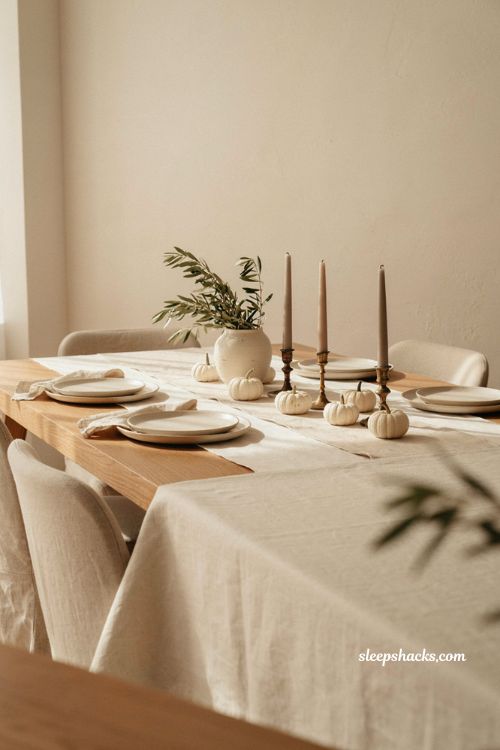
For your dining table, skip the traditional orange-and-gold centerpiece and try a white tablecloth with miniature white pumpkins scattered along the runner. Add linen napkins, a few olive branches, and simple gray candles in vintage brass candlesticks for a look that feels chic rather than themed. This palette is quiet enough to leave up through several fall gatherings without looking tired. White pumpkins in particular photograph beautifully against a neutral cloth, giving you that soft, elevated fall mood without a trace of orange.
4. Fill a Vase With Foraged Branches
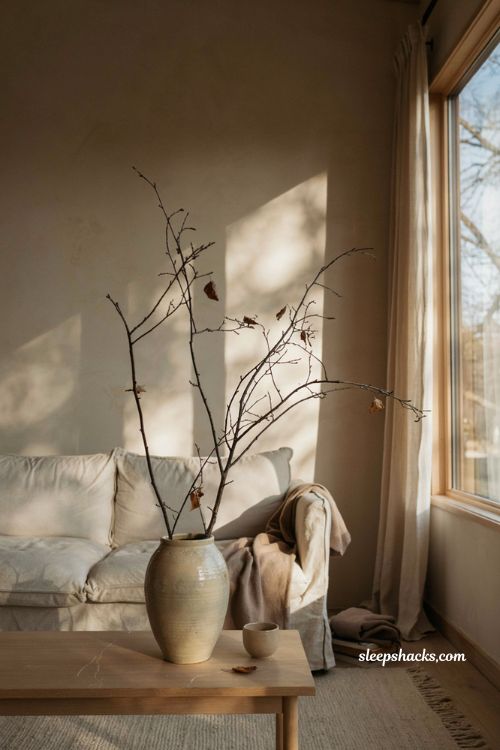
One of the easiest and most affordable minimalist fall decor moves is simply gathering bare branches from your yard and putting them in a tall vase. There’s no cost involved, and the natural, slightly wild shape of real branches gives a room an effortless, unplanned feel that store-bought stems rarely achieve. Place the vase somewhere it catches natural light, like near a window, so the branch silhouettes become part of the room’s daytime character. Swap them out as they dry further into the season for a look that evolves naturally alongside the weather outside.
5. Use What You Already Own
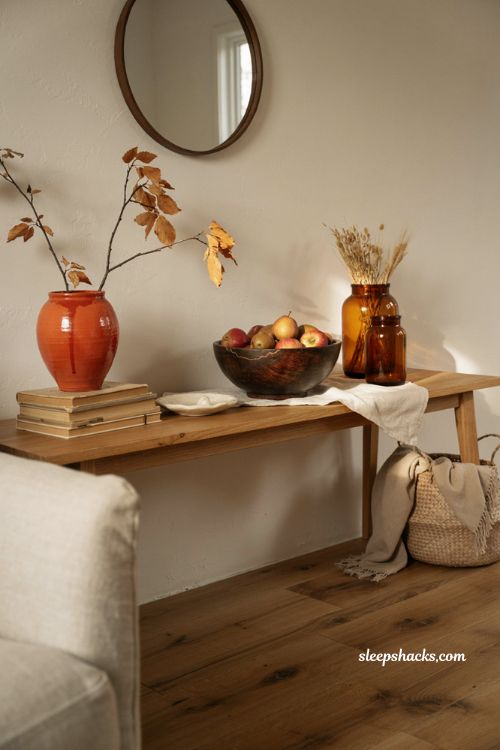
Before buying anything new, walk through your house and pull together items you already have that lean toward fall’s palette — burnt orange vases, dark wood bowls, amber glass jars. Group a few of these together on a console table or shelf rather than treating fall decor as a separate purchase altogether. This approach keeps costs low and also means your fall look feels personal instead of store-bought. A bowl of fresh fruit or a stack of earth-toned books can carry just as much seasonal weight as anything labeled “fall decor.”
6. Swap Just the Textiles
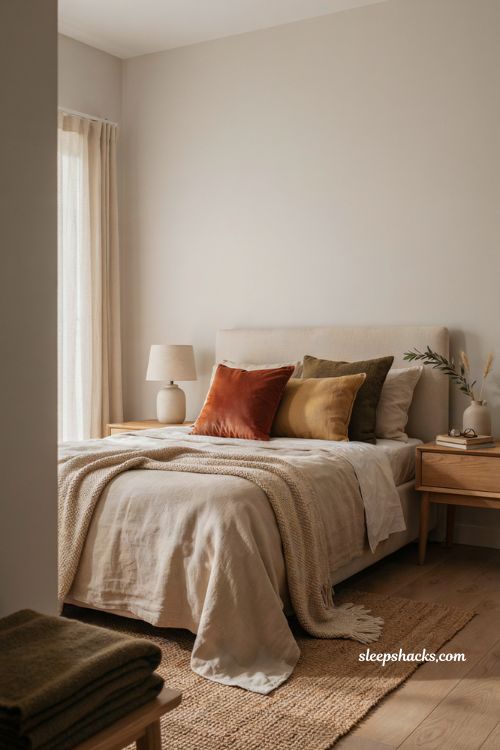
Changing out throw pillows, a blanket, or your bedding is one of the fastest ways to shift a room’s mood without touching a single knickknack. Trade breezy summer cottons for velvet or chunky knit textures in shades of rust, mustard, or deep green. This works especially well on a neutral sofa or bed that already has good bones — the new textiles do all the seasonal work. Because textiles are functional as well as decorative, this swap also adds genuine coziness as the weather cools, not just a visual cue.
7. Add Warmth With Soft, Ambient Lighting
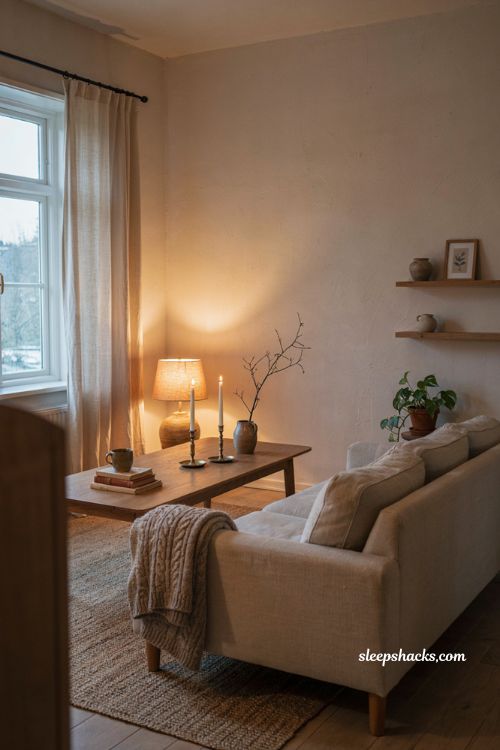
A minimalist fall look leans heavily on lighting to create atmosphere rather than clutter. Warm-bulb lamps, a few taper candles, or a single strand of string lights can make a stripped-down space feel lived-in and inviting rather than bare. Turn on lamps a little earlier as the days shorten, rather than relying on overhead lights, to keep the glow soft and intentional. This kind of lighting does more to create a cozy autumn mood than a dozen decorative objects ever could.
8. Display a Jar of Wheat or Dried Grasses
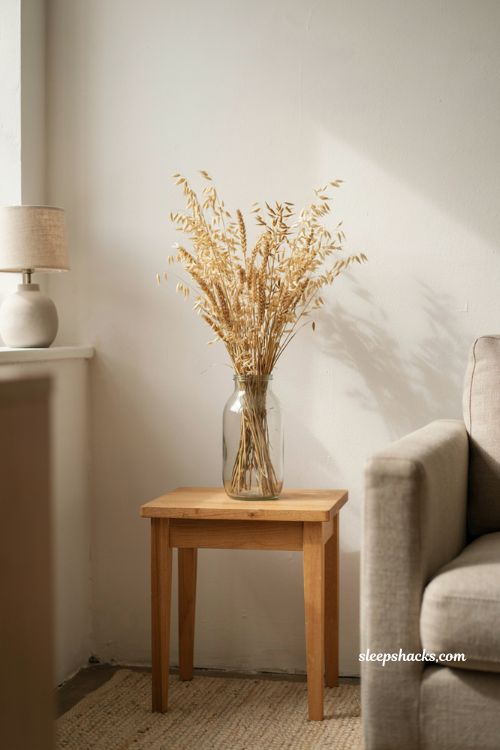
A single glass jar or vase filled with wheat stalks or dried pampas grass brings texture and height to a side table without requiring anything else around it. This works particularly well in a room that’s already fairly neutral, since the pale, natural tones blend right into an existing palette. Unlike fresh flowers, dried grasses last the entire season and often well into winter, so it’s a one-time purchase that keeps giving. Place it somewhere it can stand alone as the room’s one clear seasonal touch.
9. Style a Bar Cart or Small Vignette
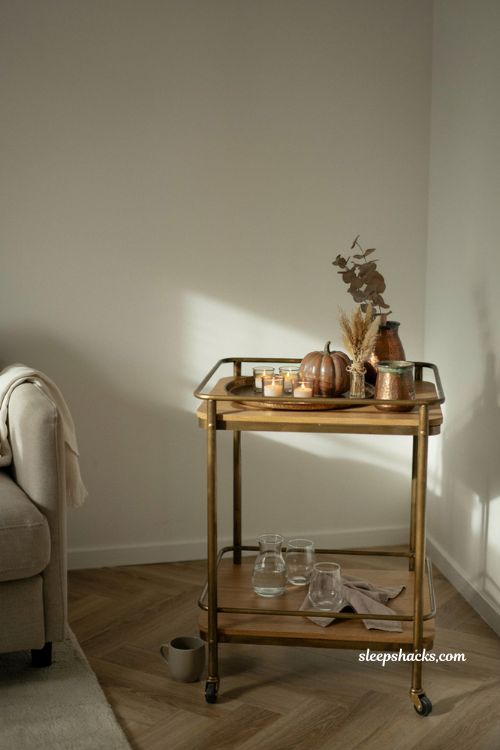
If you don’t want to decorate the whole house, contain your fall styling to one small, contained area like a bar cart or a single tray. A few votive candles, a small copper or brass accent, and one or two decorative pieces are enough to make that spot feel festive without spreading decor everywhere else. This approach is especially useful in smaller homes or apartments where every surface already has a job. It also makes takedown after the season much faster, since everything seasonal lives in one place.
10. Add Just a Touch of Gold
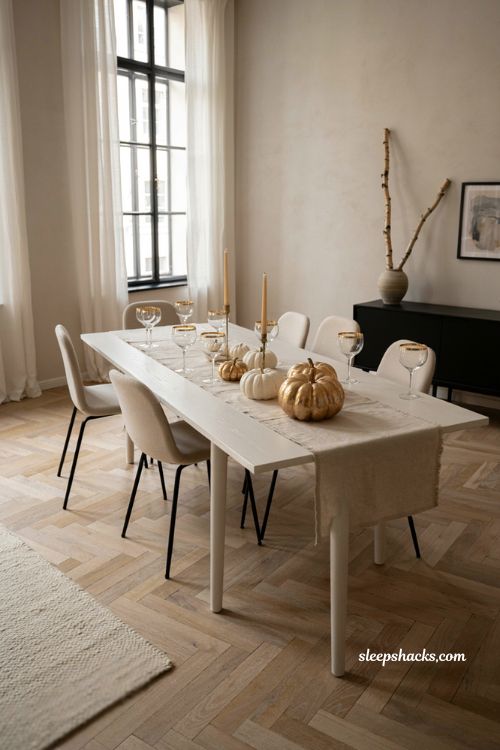
In an otherwise neutral, black-and-white, or all-white space, a small amount of gold goes a long way toward feeling autumnal. A gold-toned wreath, a few gilded pumpkins mixed with white ones, or gold-rimmed stemware on the table can carry the whole seasonal mood on their own. This works well because gold reads as warm without leaning into the orange and red most people associate specifically with Halloween. It’s also a palette that transitions easily into winter and holiday decorating later on.
11. Rearrange Your Bookcase Instead of Buying New Decor
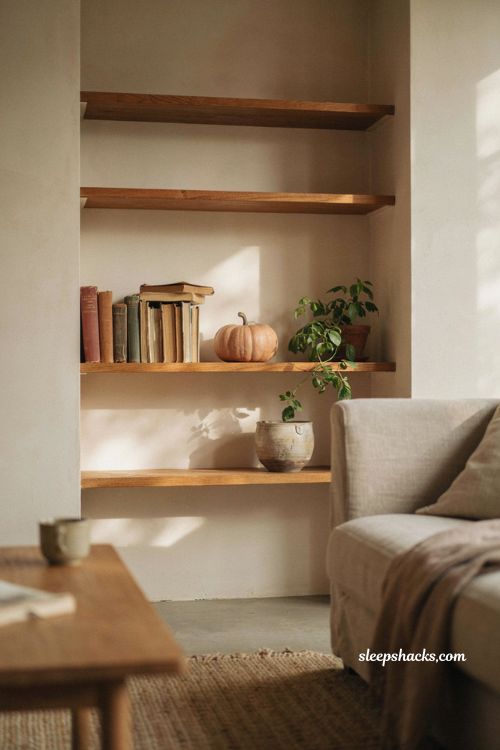
A completely free way to refresh a room for fall is simply pulling earth-toned books from around your house and regrouping them on one shelf. Add in a small plant or a single seasonal object, and the whole bookcase reads as newly styled without spending a dime. This trick works because color grouping alone signals intentionality, even when nothing on the shelf is technically “fall decor.” It’s a great option if you’re someone who likes to refresh a space seasonally but doesn’t want to accumulate more stuff.
12. Keep the Kitchen Simple With Seasonal Produce
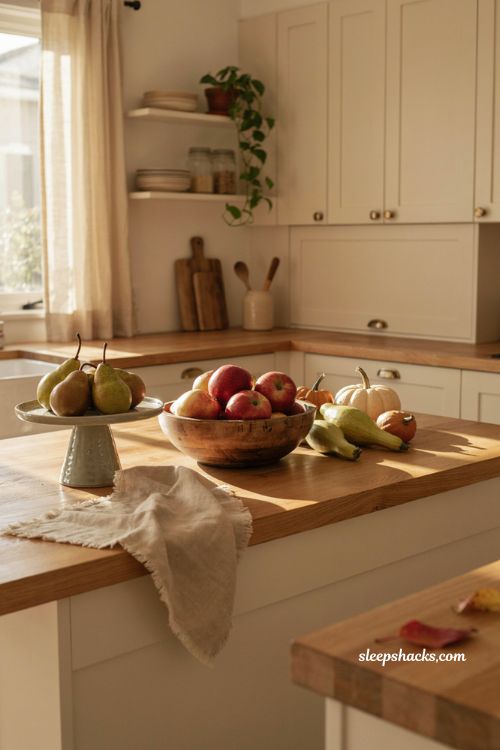
Rather than adding decorative objects to your kitchen, let actual seasonal produce do double duty as both food and decor. A wooden bowl piled with apples, a small stack of pumpkins on the counter, or a cluster of pears on a cake stand brings in color and texture that’s completely functional. This is an especially good approach if you tend to feel like decor items go to waste once the season ends — produce gets used up naturally. It also means your kitchen smells like fall, not just looks like it.
13. Choose One Cohesive Color Story
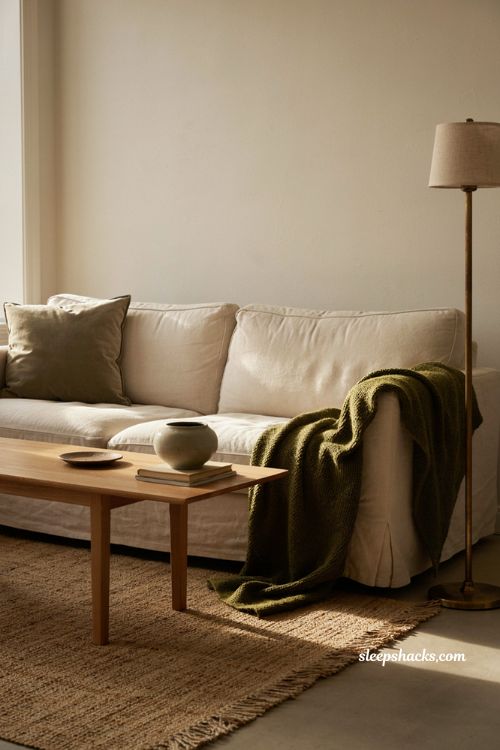
If you want your fall decor to feel intentional rather than random, commit to layering different shades and finishes of a single color, like rust or olive. Mix a velvet pillow in one shade with a knit blanket in a slightly darker tone and a lamp in a complementary metal finish. This creates depth without needing a wide variety of colors or objects competing for attention. A tonal approach almost always looks more sophisticated than a room where every color of the rainbow shows up in small doses.
14. Add Natural Texture Instead of More Objects
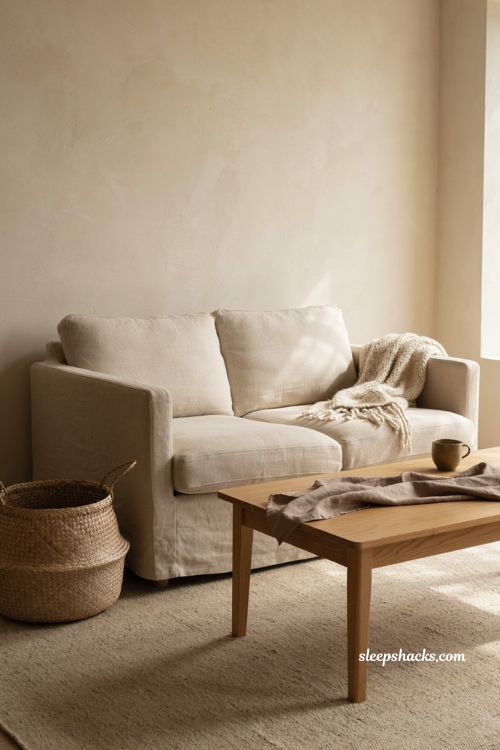
Texture can carry a room’s seasonal feeling just as much as color can. A chunky knit throw, a woven basket, a linen runner, or a wool rug all add warmth and autumnal character without adding visual clutter. This is a particularly good strategy for anyone who already owns neutral-toned textiles, since you may not need to buy anything new at all. Layering two or three different textures together, like linen and wool, creates a cozy feeling that pure color alone can’t replicate.
15. Edit Down Before You Decorate
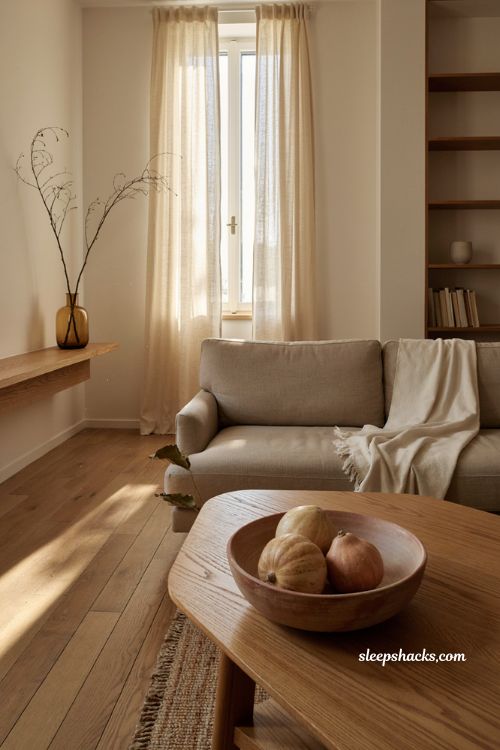
Before adding anything new for fall, go through your existing decor and remove what’s not serving the space — extra knickknacks, mismatched seasonal pieces, anything that makes the room feel busy rather than calm. This single step often does more for a minimalist fall look than any purchase could. A cleared surface with just one or two well-chosen fall touches will always look more considered than a full one crammed with everything you own. Think of editing as the actual first step of decorating, not something separate from it.
Final Thoughts
Minimalist fall decor really comes down to restraint — choosing a few pieces that mean something and trusting that they’re enough. You don’t need a storage bin full of seasonal items or a fresh haul from the craft store every year to make your home feel like autumn has arrived. Start with what you already own, lean on natural textures and warm lighting, and let one or two intentional touches carry each room. The result is a home that feels calm, considered, and genuinely cozy — not like it’s trying too hard to prove the season changed.
Frequently Asked Questions
Q: What colors work best for minimalist fall decor?
A neutral base of whites, beiges, and soft grays paired with small amounts of rust, olive, or mustard as accents creates a calm, cohesive fall look.
Q: Do I need to buy new decor for a minimalist fall look?
Not necessarily — many minimalist fall decor ideas use items you already own, like books, vases, or textiles, regrouped or lightly refreshed for the season.
Q: How many fall decor items should I use per room?
One or two intentional statement pieces per room, like a single wreath or a vase of dried grasses, is usually enough for a minimalist fall look.