

Spring always feels like a soft whisper of new beginnings, doesn’t it? The days get longer, the sunlight warmer, and suddenly, everywhere you look, little blooms and greenery peek through. I’ve always loved bringing that energy indoors through art. There’s something magical about translating the delicate details of a blossom, a leaf, or a sprig into a painting or illustration—it instantly lifts the mood of any room. Over the years, I’ve tried everything from watercolors to digital sketches, and I’ve realized that spring botanical art is not just decor; it’s a way to pause, breathe, and celebrate life’s little awakenings.
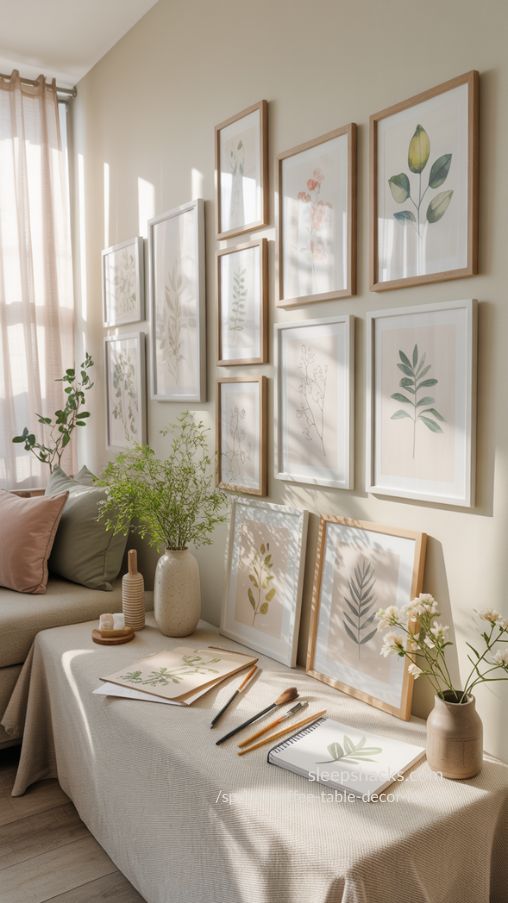
- Bring natural elements into your living space with creativity.
- Mix textures, colors, and mediums for vibrant spring vibes.
- Personal touches make botanical art feel alive and unique.
1. Wildflower Watercolor Arrangements
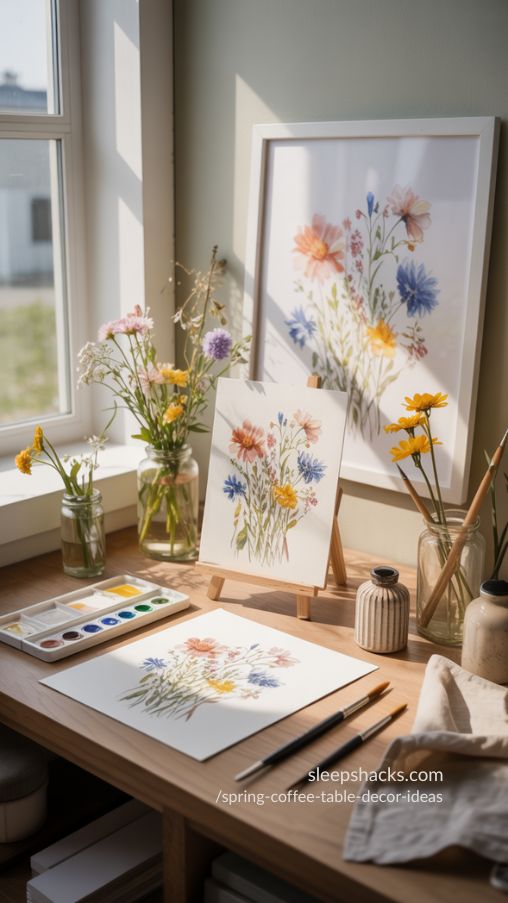
Watercolors have this wonderful softness that perfectly captures the fleeting beauty of wildflowers. I like to gather small bouquets from my backyard or local parks, then sit by the window with my paints and just let the colors flow. Each petal seems to have its own personality, and painting them becomes a quiet meditation, almost like hearing the flowers’ stories.
When you create wildflower watercolor arrangements, try mixing unexpected colors. Combining soft pastels with bolder tones can add depth and energy, making your art feel like a celebration of spring’s unpredictability. Even a single page can tell a whole story of a meadow in bloom.
2. Minimalist Botanical Line Art
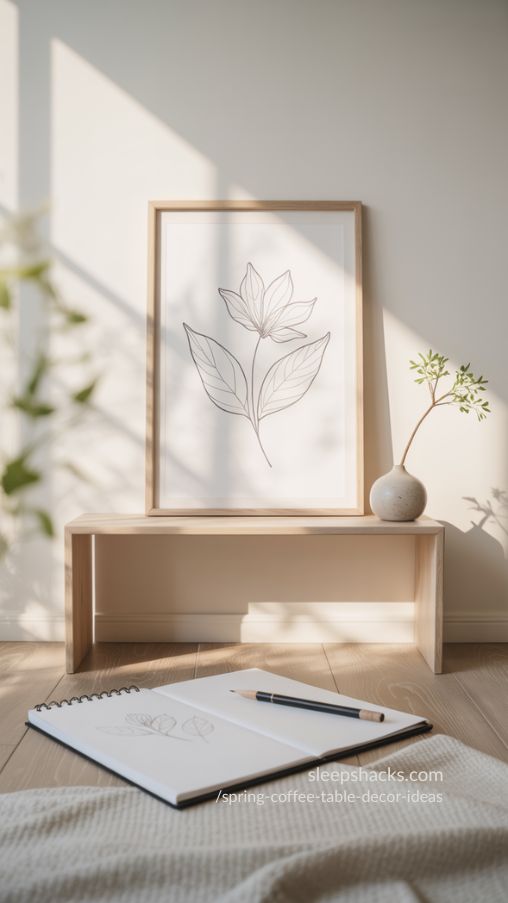
There’s something so peaceful about a single, flowing line forming a leaf or flower. Minimalist botanical line art has become one of my favorite ways to decorate small spaces or create greeting cards. It strips the design down to its essence, leaving just the perfect silhouette and letting your imagination fill in the details.
Start with a pencil sketch and then go over it with ink or a fine-liner pen. Keeping backgrounds clean emphasizes the plant shapes. This style works beautifully on neutral walls or paired with soft watercolors for a subtle, yet impactful spring touch.
3. Pressed Flower Frames

Pressed flowers hold memories—maybe a bouquet from a birthday or a wildflower picked on a spring walk. Framing them allows you to preserve those moments while adding natural charm to your walls. I like to place them in simple, thin frames so the flowers feel suspended in air.
Try layering different types of flowers and leaves, mixing textures and shades. This technique creates depth and keeps the display interesting. For a modern twist, I sometimes add a handwritten note or a tiny watercolor wash behind the pressed blooms.
4. Botanical Wall Murals
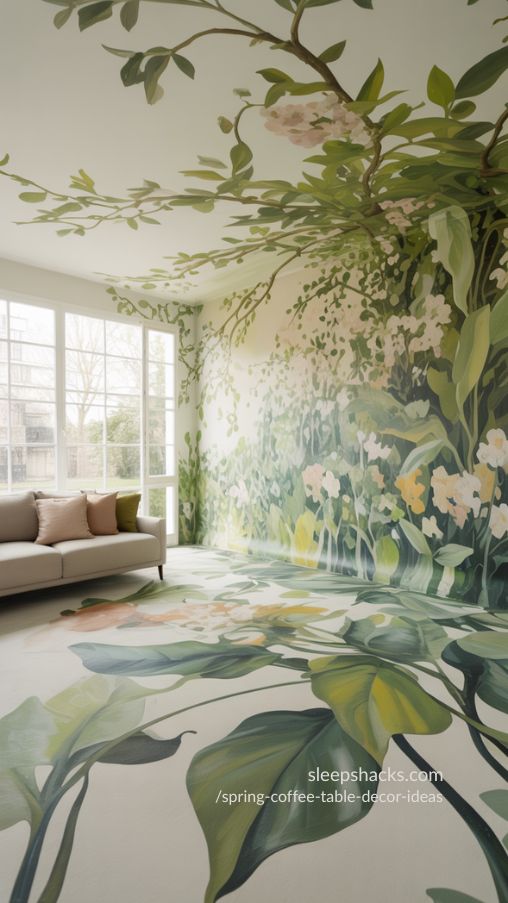
A bold botanical wall mural can transform a whole room. I painted one in my living room using oversized blooms and vines, and the space instantly felt alive. Large leaves curling around corners or a soft floral gradient across a wall makes the room feel immersive and serene.
Start with sketches on paper first, then use a projector or tape a grid to transfer the design. You can go for realistic or stylized shapes. Incorporating varying shades of green and occasional pops of color will create depth, making the mural feel like a spring garden that never fades.
5. Floral Monogram Art
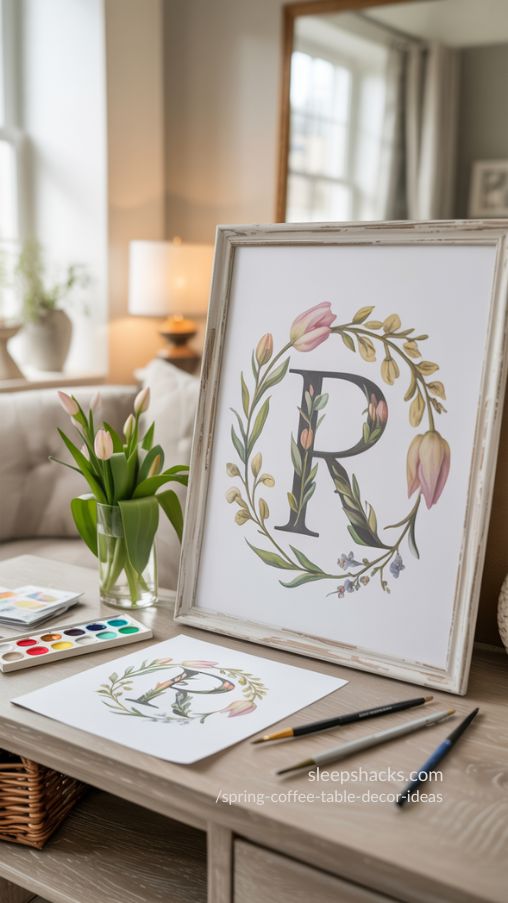
Combining initials with botanical elements adds a personal touch to your space. I created a monogram for my sister’s birthday using delicate tulips curling around her initial. It felt special because it turned something functional—a letter—into a living piece of art.
To do this, sketch your letter first and then weave flowers, leaves, or small vines around it. Watercolors, ink, or even colored pencils work beautifully. This is a fantastic gift idea or a stylish way to make your own walls feel warm and personalized.
6. Seasonal Botanical Prints

Spring has such a unique palette of colors that it deserves its own prints. I love creating small series—daffodils, lilacs, and tulips—on matching cards or frames. Hanging a few prints together can instantly brighten a corner, reminding you of sunny days even during a grey morning.
Consider grouping prints by color or type of flower. You can rotate them seasonally to reflect the changes outside. Using high-quality paper or digital printing ensures the colors stay fresh, making these prints a long-lasting nod to spring’s beauty.
7. Mixed Media Floral Collages
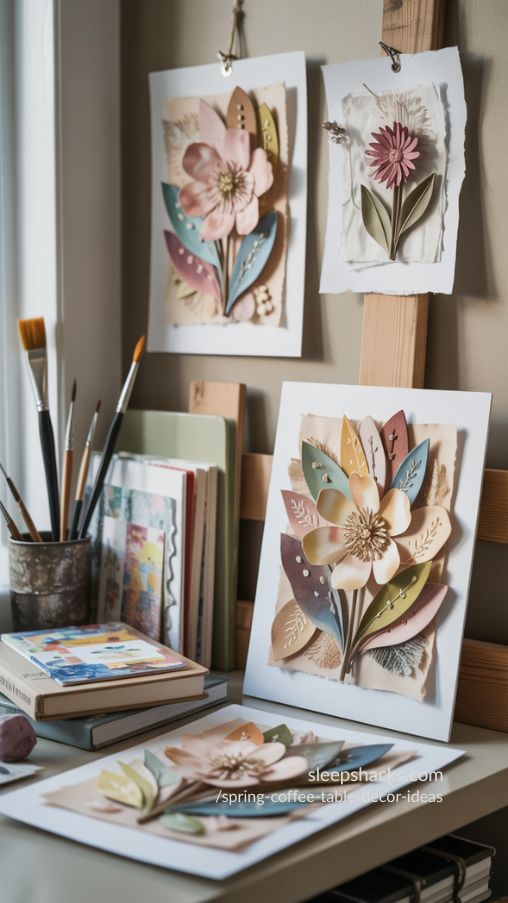
There’s a playful charm in mixing paper, fabric, and paint for botanical art. I once layered watercolor petals with textured paper and thread, creating a dimensional flower that seemed to jump off the page. It’s almost like capturing spring in 3D.
Experiment with torn paper, dried leaves, or metallic accents for subtle shimmer. The combination of textures adds a tactile experience to your art, making it feel more personal. These collages look gorgeous in small frames, journals, or as a statement piece on a bookshelf.
8. Illustrated Herb Garden Labels
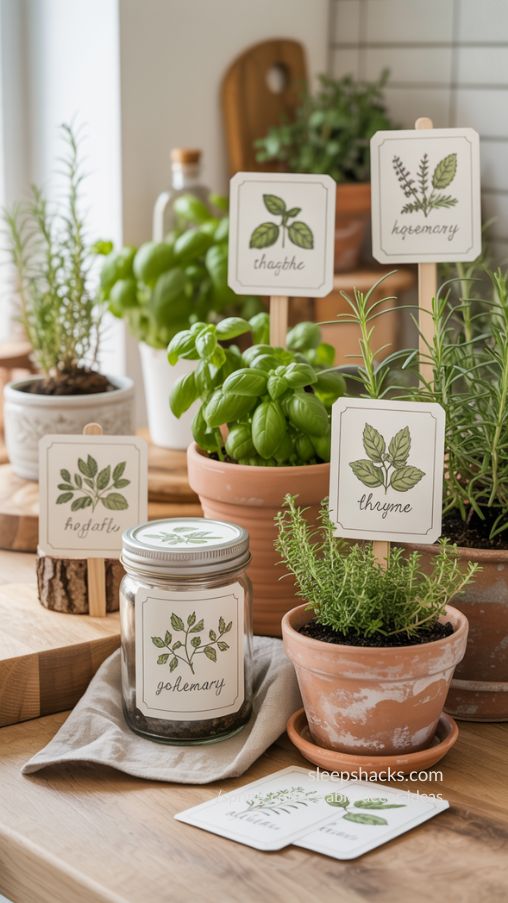
Herbs aren’t just for cooking—they’re lovely subjects for botanical illustration. I made hand-drawn labels for my indoor herb garden using delicate leaves and sprigs of thyme, basil, and rosemary. The labels made my kitchen feel cozy, and it was so satisfying to see my herbs thriving alongside my art.
Use waterproof markers or laminated prints to withstand water and sunlight. Adding botanical illustrations to practical items like jars, plant pots, or garden markers combines functionality with beauty. It’s a small touch that brings the outdoors inside.
9. Tiny Floral Sketch Journals
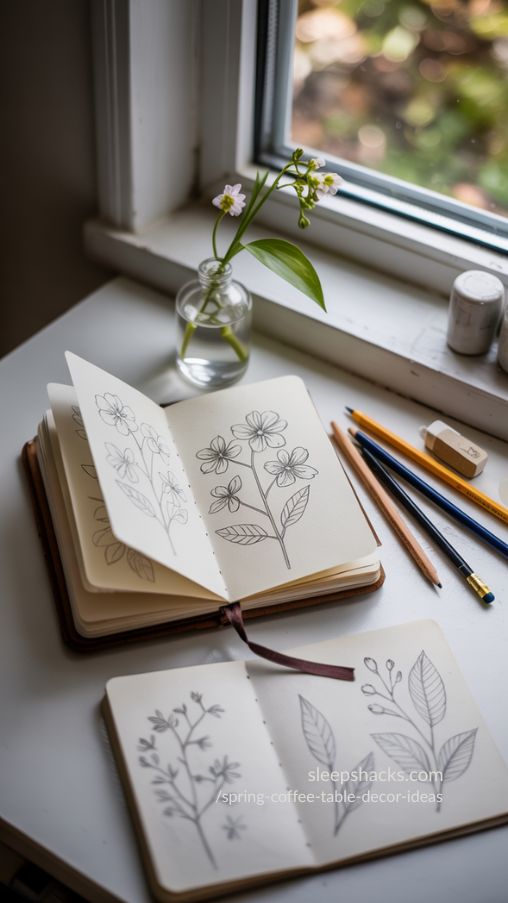
I love keeping a mini sketch journal for spring botanical studies. Every day, I pick a small bloom or leaf and spend a few minutes sketching it. It’s relaxing, and the accumulated pages become a personal archive of the season’s growth.
Use a simple notebook and basic pencils or pens. You can experiment with color later or keep it monochrome. Sketching daily strengthens your observation skills, helps you notice details you might otherwise overlook, and gives a quiet moment of mindfulness in a busy day.
10. Watercolor Wreath Illustrations
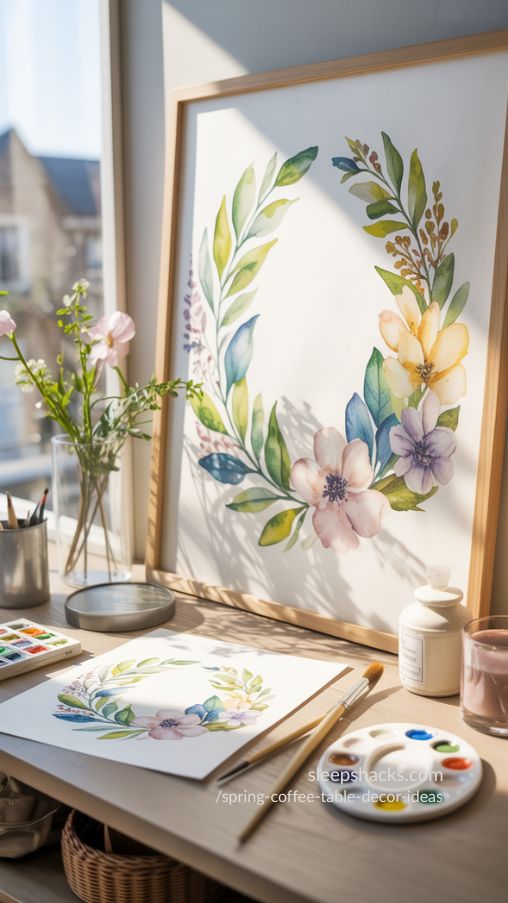
Wreaths aren’t just for holidays—they’re perfect for spring too. Painting a soft watercolor wreath of blossoms and green leaves instantly adds a fresh, circular focal point to your space. I like hanging mine near windows, where the light enhances the colors.
Start with a circular sketch and layer flowers and leaves gradually. Balance the composition by mixing larger blooms with smaller filler elements. You can frame it, add a motivational quote in the center, or leave it simple for a timeless look.
11. Botanical Greeting Cards
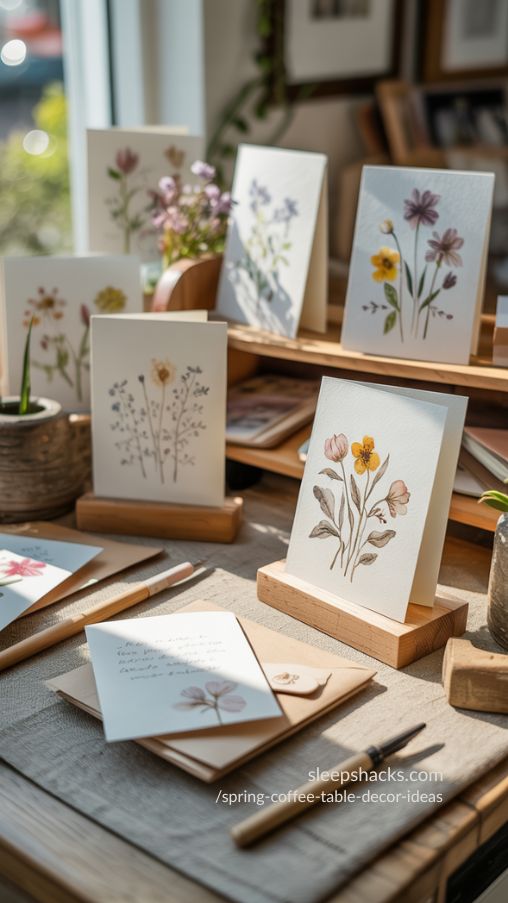
Handmade botanical cards are a simple pleasure I love giving to friends. Painting or drawing flowers on blank cards adds a personal, heartfelt touch. They’re perfect for birthdays, thank-yous, or just to brighten someone’s mailbox.
Mix watercolors, ink, or even pressed petals for unique textures. Add handwritten notes to make each card feel truly one-of-a-kind. Cards like these aren’t just gifts—they’re little pieces of spring that travel beyond your home, spreading joy.
12. Colorful Bloom Art for Shelves
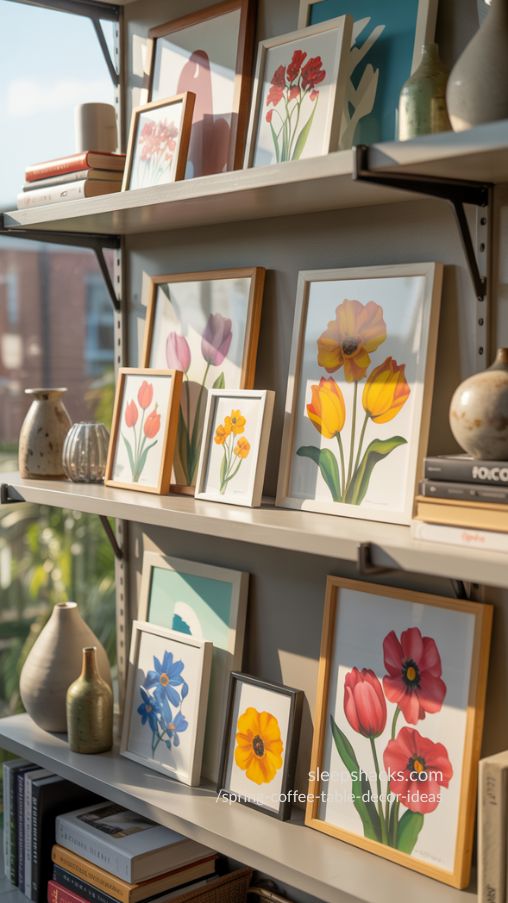
Small botanical art pieces can bring shelves and nooks to life. I like placing tiny canvases with bright tulips, daisies, or poppies among books and ceramics. The contrast makes the flowers pop and gives every shelf a curated, springtime charm.
Grouping pieces by color or theme creates harmony, while varying frame styles adds visual interest. Even tiny illustrations in minimalist frames can make a big impact, proving that small botanical touches often speak louder than large displays.
13. Illustrated Flower Calendars
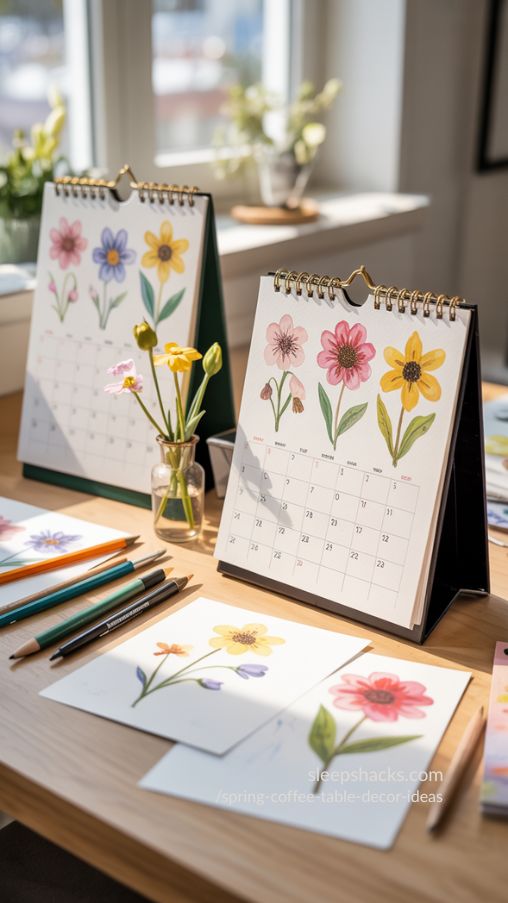
I once made a personalized flower calendar for my desk, pairing each month with a seasonal bloom. The act of drawing the flowers and seeing them every day made planning feel joyful rather than tedious. Each month had a unique energy reflected through colors and shapes.
Start with simple sketches or use digital tools for printing. Highlight blooms typical of each month for a seasonal touch. Illustrated calendars combine organization and art, offering a functional yet beautiful reminder of spring’s rhythm.
14. Botanical Typography Posters
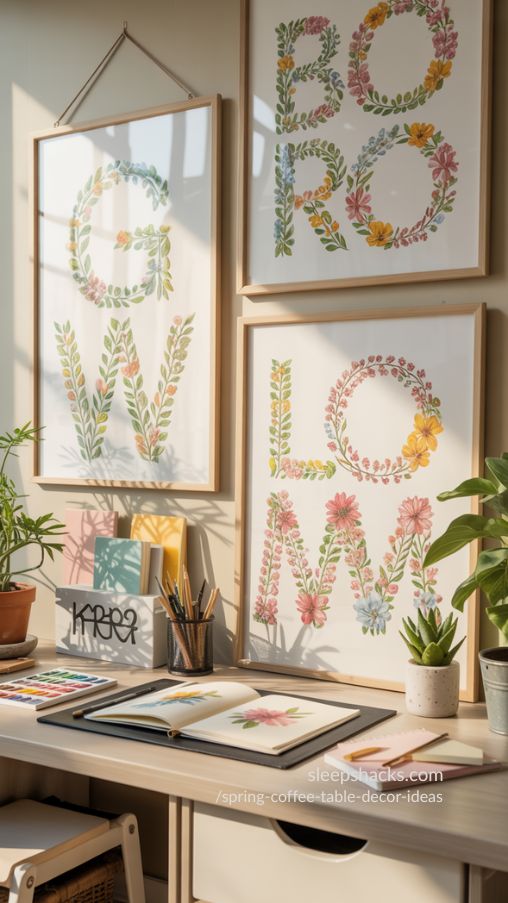
Blending lettering with botanical elements is endlessly fun. I sketched motivational words like “Grow” and “Bloom” with vines and tiny flowers curling around each letter. The resulting posters made my office feel cheerful and creative.
Use cursive or bold block letters as your base and intertwine leaves and blossoms around them. Color choices can reflect the spring palette—soft greens, pinks, and yellows. These posters are inspiring, eye-catching, and bring a sense of movement and life into your walls.
15. Tiny Plant Doodle Collections
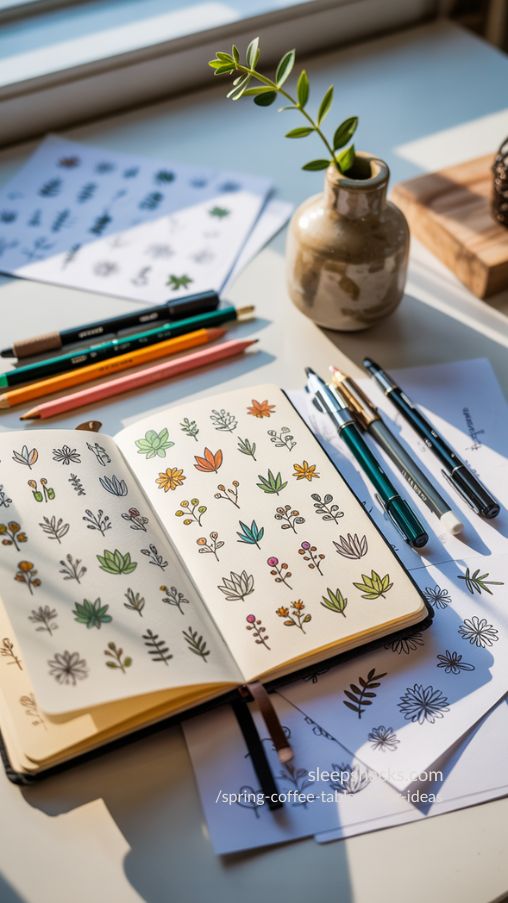
I love creating small doodles of leaves, succulents, and wildflowers in a single notebook page. It’s relaxing, spontaneous, and often leads to unexpected design ideas. These tiny sketches can later inspire bigger paintings or home decorations.
Try arranging them in clusters, creating little botanical grids, or experimenting with patterns. Even small doodles make a space feel personal and curated. Keeping them casual allows creativity to flow freely without pressure, capturing the playful spirit of spring.
16. Nature-Inspired Art Tags
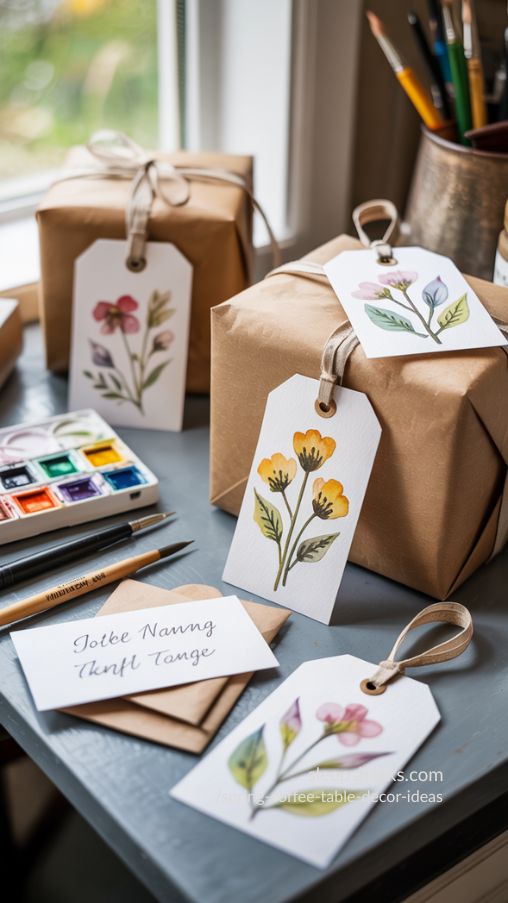
Gift tags with hand-painted flowers are my secret favorite way to add charm to presents. Each tag becomes a keepsake and makes a simple gift feel thoughtful and special. I often make extra to keep on hand for unexpected gifts or parties.
You can layer watercolors, ink outlines, or pressed petals for texture. Adding a handwritten name or message completes the design. Nature-inspired tags make packaging part of the experience, and they’re a small yet impactful way to spread spring beauty.
17. Seasonal Flower Pattern Sketches
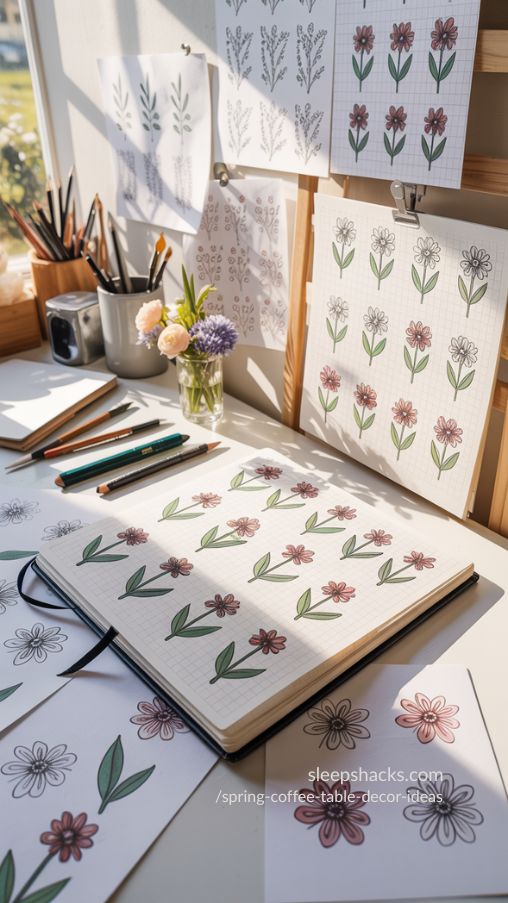
Sketching repeating flower patterns is one of my favorite exercises to improve consistency and creativity. I draw simple blooms and leaves in repeating grids, imagining how they could be applied to wallpapers, fabrics, or stationery.
Focus on variety—alternate shapes, sizes, and directions to keep the pattern dynamic. Once you’re satisfied, you can digitize it for printing or create layered compositions. Patterns like these allow you to translate botanical art into everyday items, bringing spring to life in functional ways.
18. Hand-Lettered Plant Quotes
Combining my love for typography and plants, I often create small prints featuring quotes about growth or nature. Surrounding the letters with leaves, vines, and flowers makes the message feel alive and visually engaging.
Choose short, uplifting quotes and pair them with simple botanical sketches. Experiment with layouts and color accents to match your home’s mood. These pieces can sit on desks, shelves, or walls, offering gentle inspiration while celebrating spring’s natural beauty.
19. Seasonal Mood Boards with Botanicals
Mood boards are my personal way of curating spring inspiration. I gather color swatches, photos, dried petals, and sketches to capture the feeling of a season. It’s both creative and therapeutic, helping me visualize new art or home projects.
Use a bulletin board or digital platform to arrange elements. Add textures, quotes, and sketches for variety. These boards not only inspire your own art but also make a cozy, personalized display that celebrates seasonal energy and botanical beauty.
20. DIY Botanical Coasters
I love creating coasters with small floral designs—they’re practical, fun, and bring a touch of spring to everyday life. I used pressed flowers and clear resin to craft mine, and the result was a functional art piece that guests often admire.
Mix flowers, leaves, and watercolor backgrounds for unique designs. Resin preserves the details beautifully, making each coaster last for years. DIY botanical coasters are a small, charming way to incorporate spring into your daily routines, combining creativity with practicality.
Table 1: Suggested Mediums for Spring Botanical Art
| Medium | Best Use Case | Tips |
| Watercolor | Soft blooms, wildflowers | Layer light washes for depth |
| Ink/Line Drawing | Minimalist leaves and stems | Use fine-liners for clean edges |
| Pressed Flowers | Framing, coasters | Preserve flowers in a dry, dark space first |
| Mixed Media | Collages and textured art | Combine papers, thread, or fabric |
Using the right medium can transform your botanical idea from simple to stunning. Watercolors convey softness, inks bring clarity, and mixed media creates dimension. Choosing the right tool for your concept ensures your spring botanical art feels intentional and expressive.
Table 2: Seasonal Flower Guide for Illustration
| Month | Suggested Flowers | Color Palette |
| March | Daffodils, Crocus | Yellow, Purple |
| April | Tulips, Hyacinth | Pink, Lavender |
| May | Lilacs, Peonies | Soft Purple, White |
| June | Roses, Wildflowers | Red, Blue, White |
Referencing seasonal flowers adds authenticity and keeps your art aligned with nature’s rhythm. Using the suggested color palettes enhances the visual appeal and ensures your botanical creations feel fresh and in tune with spring.
FAQ
What supplies do I need for spring botanical art?
You’ll need paper, pencils, pens, watercolors, brushes, and optionally pressed flowers or mixed media materials depending on your style.
How do I preserve pressed flowers for art?
Keep them in a dry, dark place, press between heavy books for a week, and consider using clear frames or resin for longevity.
Can I combine different botanical styles?
Absolutely! Mixing watercolors, line art, and pressed flowers can create unique textures and depth in your artwork.
How do I make my botanical art look professional?
Focus on clean lines, balanced composition, high-quality paper, and consistent color palettes.
Can beginners create stunning botanical pieces?
Yes! Start small, practice daily, and enjoy the process. Even simple sketches or watercolor blooms can look beautiful and expressive.
Best Spring Botanical Art Ideas For Creative Projects